
Hal Finney’s Family Launches ‘Running Bitcoin Challenge’ to Support ALS Research
The Running Bitcoin Challenge: Honoring Hal Finney’s Memory and Supporting the Fight Against ALS
Hal Finney was a renowned computer scientist and cryptocurrency developer known for his contributions to the development of Bitcoin. In 2008, he received the first-ever Bitcoin transaction from Satoshi Nakamoto, the pseudonymous creator of Bitcoin. Tragically, Finney passed away in 2014 due to complications from Amyotrophic Lateral Sclerosis (ALS), also known as Lou Gehrig’s disease.
A Half Marathon Fundraiser for a Good Cause
In honor of Finney’s legacy, his spouse Fran Finney has organized the Running Bitcoin Challenge, a half marathon fundraiser that takes place between January 1 and January 10 each year. Finney was an avid runner before being diagnosed with ALS in August 2009. Despite a long battle with the disease, he was cryonically preserved in 2014. The Running Bitcoin event serves as a way to honor his memory and raise funds for an important cause. Those who donate at least $100 will receive an official Running Bitcoin T-shirt, and the top 25 fundraisers will receive a rare Hal Finney collectible.
The First Bitcoin Transaction and a Tweet That Changed the World
This timing coincides with the anniversary of Hal Finney’s famous “Running Bitcoin” tweet, in which he announced that he was contributing to the code to the Bitcoin codebase in 2008 and early 2009, and he was the recipient of the first-ever Bitcoin transaction, in which Satoshi Nakamoto sent him 10 BTC. Finney was a pioneer in the field of computer science and a strong advocate for privacy and civil liberties. His work in these areas continues to inspire others to fight for these values.
A Decentralized Event That Can Be Participated in From Anywhere
Participants in the Running Bitcoin Challenge can run, walk, roll, or hike the equivalent of a half marathon (Finney’s favorite distance) either in one go or over the entire 10-day period. There is no set location for the challenge, so participants can join from anywhere they wish. Those who donate at least $100 will receive an official shirt with the half marathon’s logo, and the top 25 fundraisers will receive a Hal Finney collectible signed by his wife. The Running Bitcoin Challenge serves as a way to honor Finney’s memory and raise funds for the important cause of finding a cure for ALS.
The Running Bitcoin Challenge has been a successful fundraiser, raising hundreds of thousands of dollars for ALS research. In addition to supporting research, the challenge also serves as a way for people to honor Finney’s memory and pay tribute to his contributions to the world of cryptocurrency.
Support the Cause and Honor Hal Finney’s Memory
By participating in the Running Bitcoin Challenge and raising funds for ALS research, individuals can help make a difference in the fight against this devastating disease and honor Finney’s memory at the same time. The event is being held in cooperation with the ALS Association Golden West Chapter, which provides equipment loans and educational materials to people living with ALS.
One of the unique aspects of the Running Bitcoin Challenge is that it is a decentralized event, meaning that it can be participated in from anywhere in the world. This makes it accessible to people from all walks of life and allows for a diverse group of participants to come together in support of the cause.
Overall, the Running Bitcoin Challenge is a unique and meaningful way to honor the memory of Hal Finney and support the fight against ALS. It is an opportunity for the cryptocurrency community to come together and make a difference in the world.
Open your free digital wallet here to store your cryptocurrencies in a safe place.
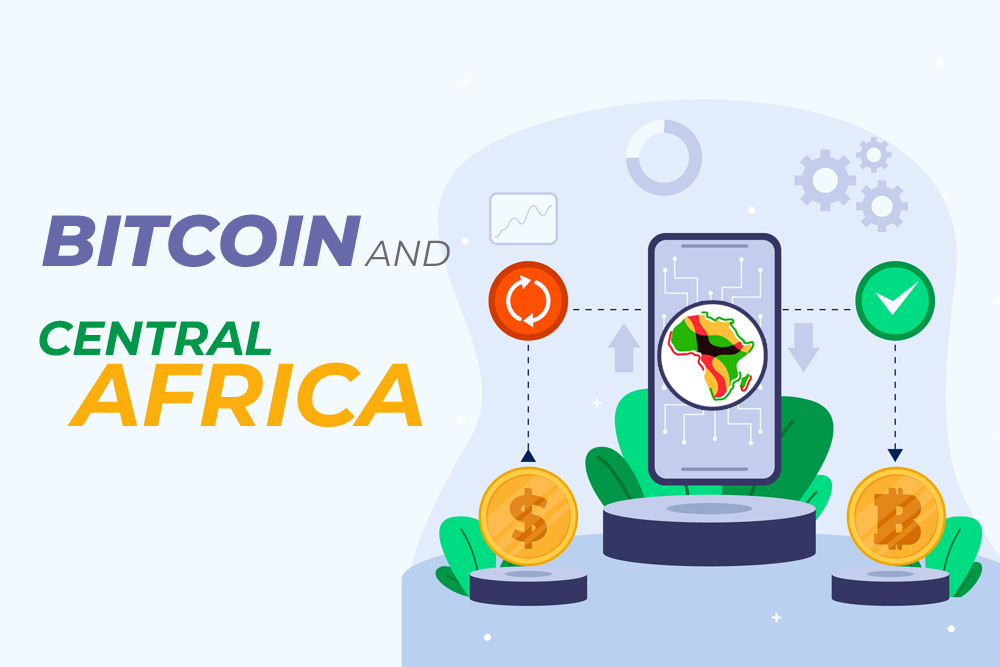
Central Africa Embraces Bitcoin and Cryptocurrency Adoption for Economic and Political Stability
Bitcoin, the world’s first decentralized digital currency, has seen growing adoption in Central Africa in recent years. This trend is driven by a number of factors, including the region’s high inflation rates, political instability, and lack of access to traditional banking services.
One of the main reasons for the adoption of Bitcoin in Central Africa is the high inflation rates that many countries in the region face. Inflation erodes the purchasing power of a currency, making it difficult for people to save and plan for the future. By using Bitcoin, which is not subject to inflation, individuals and businesses in Central Africa can protect their wealth and preserve its value over time.
Political instability is another factor driving the adoption of Bitcoin in Central Africa. Many countries in the region have a history of coups, civil wars, and political unrest, which can lead to the confiscation of assets and bank accounts. By using Bitcoin, which is decentralized and not controlled by any government or institution, individuals and businesses in Central Africa can protect their assets from seizure and avoid the risks associated with political instability.
In addition to high inflation and political instability, many people in Central Africa lack access to traditional banking services. In some rural areas, there are no banks or financial institutions, making it difficult for individuals and businesses to access credit, save money, and make payments. By using Bitcoin, which can be easily accessed and used with a smartphone and internet connection, people in Central Africa can enjoy many of the same benefits of traditional banking without the need for physical infrastructure.
The adoption of Bitcoin in Central Africa is also supported by a growing ecosystem of businesses and services that accept the cryptocurrency. This includes merchants who accept Bitcoin for goods and services, as well as exchanges and wallet providers that facilitate the buying and selling of Bitcoin. This ecosystem is helping to drive the adoption of Bitcoin and is making it easier for people in Central Africa to use the cryptocurrency in their daily lives.
In addition to the factors mentioned above, there are several other reasons why Bitcoin is gaining popularity in Central Africa. The increasing use of mobile phones and internet access in the region has made it easier for people to use Bitcoin and other digital currencies. The growing awareness of the benefits of Bitcoin, such as its decentralized nature, low transaction fees, and fast transaction times, has also contributed to its increasing popularity in the region. The growing adoption of Bitcoin in other parts of the world has also played a role in its acceptance in Central Africa.
Furthermore, the Central African Republic has recently unveiled its own cryptocurrency, Sango Coin, which will be the second cryptocurrency, after Bitcoin, to be recognized as legal tender in the country. The President of the Central African Republic has voiced support for blockchain, cryptocurrencies, and Bitcoin, further demonstrating the increasing interest and involvement in the cryptocurrency space in the region.
Overall, the adoption of Bitcoin in Central Africa is driven by a combination of economic, political, and technological factors. As the ecosystem of businesses and services that accept Bitcoin continues to grow, it is likely that the adoption of the cryptocurrency will continue to increase in Central Africa.
Open your free digital wallet here to store your cryptocurrencies in a safe place.

The Benefits of Using Bitcoin for Online Transactions
Bitcoin is a decentralized digital currency that has gained popularity in recent years for conducting online transactions. Unlike traditional currencies that are controlled by central banks, Bitcoin is not subject to the whims of any one entity, making it an attractive option for those looking to conduct transactions online.
One of the key benefits of using Bitcoin for online transactions is its security. Because it is decentralized, there is no central point of failure that attackers can target. In addition, each transaction is verified by the network of computers that run the Bitcoin software, making it virtually impossible to forge or counterfeit.
Another benefit of using Bitcoin for online transactions is its low transaction fees. Because there are no intermediaries such as banks or credit card companies involved in the process, transaction fees are typically much lower than they would be with traditional forms of payment. This can be especially beneficial for those who conduct a large number of transactions, such as small business owners or online merchants.
In addition to these benefits, using Bitcoin for online transactions can also offer users more control over their own money. Because it is decentralized and not controlled by any one entity, users are free to store, send, and receive Bitcoin without third parties.
Some other potential benefits of using Bitcoin for online transactions include:
Faster transaction times: Because Bitcoin transactions are processed on a decentralized network, they can be completed much more quickly than traditional bank transfers or credit card payments. This can be especially useful for people who need to make or receive payments quickly, such as when making an emergency purchase or receiving payment for a time-sensitive project.
Immutability: This means that once a transaction is recorded on the Bitcoin blockchain, it cannot be altered or deleted. This provides a high level of security, as it ensures that transactions cannot be tampered with or reversed without the consensus of the network. This feature also helps to prevent fraud, as it makes it difficult for someone to modify or falsify records. Overall, the immutability of the Bitcoin blockchain provides a level of trust and security for users of the network.
Greater global accessibility: Because it is decentralized and not tied to any specific country or currency, Bitcoin can be used for online transactions anywhere in the world. This can be especially helpful for individuals and businesses in countries with unstable economies or limited access to traditional financial institutions.
Overall, the use of Bitcoin for online transactions offers a number of potential benefits, including security, low transaction fees, and greater control over one’s own currency. As more businesses and individuals begin to recognize the potential of this cryptocurrency, its use is likely to continue to grow. In fact, the use of Bitcoin is already starting to become more widespread, with many online merchants and small business owners choosing to accept it as a form of payment.
One final note about using Bitcoin for online transactions is its potential environmental benefits. Because it uses a decentralized network of computers to verify transactions, it does not require the same energy-intensive processes as traditional money transfer services. In fact, many of the computers that run the Bitcoin network are powered by renewable energy sources, which can help to reduce its carbon footprint. This is in contrast to traditional financial systems, which often rely on fossil fuels and other sources of pollution. In this way, using Bitcoin for online transactions can not only provide security and convenience, but also contribute to a cleaner and more sustainable world.
Open your free digital wallet here to store your cryptocurrencies in a safe place.

El Salvador’s “Adopting Bitcoin” Conference as a Key Moment for the Bitcoin Industry
Emerging at the forefront of Bitcoin innovation, El Salvador is working toward achieving a level of financial independence and openness independent from a centralised banking system. El Salvador has paved the way for other nations to follow in its footsteps by becoming the first nation in the world to recognise Bitcoin as a legitimate currency.
To encourage worldwide collaboration and proliferate networking avenues for Bitcoin enthusiasts, El Salvador hosted the “Adopting Bitcoin” Conference over 3 days, between November 15 and 17. The event took place in San Salvador and at Bitcoin Beach and brought together members of the Bitcoin ecosystem from a multitude of states.
Uncovering the Objectives of the “Adopting Bitcoin” Conference
More than 110 speakers from over 30 countries discussed the most recent breakthroughs throughout the whole range of Bitcoin-related disciplines, including those pertaining to technology as well as economics.
In this setting, the presentation of the Bitcoin core engineer Jon Atack was a significant highlight, focused on technology and development, while the presentation of Mexican senator Indira Kempis will be the most famous name in the track focused on economics. The multi-stage event will be held in English, with Spanish translations provided in real-time for the most critical phases.
Bitfinex Pledges to Support El Salvador in Future Bitcoin Ventures
Paolo Ardoino, the Chief Technical Officer of Bitfinex, is one of the attendees at the crypto conference in El Salvador who gained the greatest notoriety. Arduino said in his statement that his company “would redouble its efforts to establish a free, unstoppable, robust, and open Bitcoin and technological infrastructure for El Salvador.”
Overall, Bitfinex has committed to working closely with the government of El Salvador, which is currently mired in debt and is governed by President Nayib Bukele, to devise an appropriate regulatory framework for the cryptocurrency market and other digital assets in the nation. Ifinex, the parent company of Bitfinex, has agreed with the government of El Salvador to work together on developing a regulatory framework for digital assets and securities.
Adverse Circumstances are Met with Further Commitments by Bitcoin Supporters
While adverse market dynamics hindered the optimism around the event, there is a suite of conclusions that indicate the ongoing commitment of Bitcoin leaders and pioneering nations like El Salvador to still pursue the broader adoption of Bitcoin as a payment medium.
As the blockchain industry, as well as all the other financial sectors, witnessed in 2022, the price of Bitcoin and other cryptocurrencies declined primarily due to the Federal Reserve’s strategy of dramatically raising interest rates to curb rising inflation in the United States, which caused the cost of money to increase. Subsequently, the remainder of the decline was caused by a succession of events, including the bankruptcy of organisations involved in cryptocurrency trading and the collapse of currencies such as Terra USD. Large investors sold out these high-risk assets, precipitating a precipitous value decline.
“One Bitcoin Per Day” Plan Proposed by El Salvador’s President
El Salvador’s President, Nayib Bukele, announced that the nation would begin buying one Bitcoin each day starting with November 17, 2022. The use of dollar-cost-averaging (DCA) in Bitcoin transactions is widespread among the community, yet it is unprecedented for a nation-state. When Bukele’s proclamation was made, the nation possessed a Bitcoin treasury that included 2,381 BTC and had a worth of more than $39 million.
So far, Bukele has made it a pattern in the past to acquire a significant quantity of Bitcoin during periods of market instability and to “buy the dip.” This action would signal the end of a nearly five-month pause amid severe bear market circumstances and the collapse of Sam Bankman-massive Fried’s $32 billion FTX enterprise.
According to NayibTracker, Bukele made his most recent purchase of Bitcoin on June 30, 2022. At that time, he paid $1.52 million for 80 Bitcoins (worth around $1.33 million), which works out to an average price of $19,000 per coin.
Bottom Line
Overall, El Salvador’s “Adopting Bitcoin” conference serves as a reminder of the ongoing commitment of crypto pioneers and their belief in the long-term potential of this cutting-edge technological revolution.
Open your free digital wallet here to store your cryptocurrencies in a safe place.

Cryptocurrency and the Future of Business
Cryptocurrency and the Future of Business
Cryptocurrency users are still a small minority. The total number of users was at 106 million as of January 2021. That sounds like a lot, but when you consider a global population that is nearing 8 billion, you can see that it is just a tiny fraction of people using crypto.
Whether you are in crypto or not, it is going to have an increasing effect on business. You can see Bitcoin mining operations selling shares on stock exchanges, large businesses looking into uses for crypto coins, and more people taking an interest in buying and using cryptocurrency.
At the current trend, crypto coins are becoming more common every year. If it holds, it might not be a matter of if people start using different cryptocurrencies, it could just be a question of when.
Crypto for International Transactions
In the digital age, businesses are now connected internationally like they never before. Beyond the large multinationals, it is increasingly becoming common for smaller businesses to have significant international connections. This is not only true as it concerns deals with other companies, but businesses now have employees or contractors they work with from around the world.
Using cryptocurrency as a medium of exchange for international transactions could solve a lot of problems for these businesses. First, cryptocurrency could ease the burden of having to convert currency for several different countries. Beyond that, it could also make transactions faster, cheaper and more convenient by cutting out the traditional middlemen that would typically be in the middle of these transactions.
Adoption by Mainstream Institutions
One of the factors that have held back many cryptocurrency markets is the lack of support from mainstream institutions. Banks wouldn’t let you make transactions with crypto exchanges, and it was hard to find businesses that would allow you to use your cryptocurrency. This is changing rapidly.
Beyond the ability of investors to use an ultra fast trading app to make trades, we now see a range of big institutional investors buying cryptocurrency. Along with that, some of the world’s largest financial businesses are starting to work with crypto. As an example, PayPal started offering a range of cryptocurrency services earlier this year. You also have major credit card companies that are starting to work with crypto on a limited level.
Crypto as a Real Store of Value
One of the main claims of many crypto skeptics is that the coins have no inherent value. This is true in a sense. The value of most crypto coins is solely based on the perception of people in the market. While that might be true, you could make the same argument for most fiat currencies. The value is based on the fact that people will accept it in exchange for goods and services.
Crypto has an advantage over many fiat currencies: the fact that many crypto coins have a limited supply. As inflation acts on fiat currencies, crypto could grow in popularity as a hedge. In the future, many investors will hold crypto in the way that they hold gold as a protection against inflation.
Tokens as Business Equity
Raising or distributing equity usually means creating conventional shares of the business. While this could be a way to raise money or provide value to employees, it does come with a range of hurdles. One way to get around many of these hurdles would be to create crypto coins that represent shares in the company.
Instead of jumping through all of the regulatory hoops to issue shares, the business could give people crypto coins as equity. Instead of holding an IPO, the business could do an ICO as a way to raise capital from investors.
Crypto for Crowdfunding
With the rise in crowdfunding platforms, the ability to raise money is easier than it ever has been. These platforms not only make it easy to raise money from the public, but they also offer a level of transparency that is popular among those looking to donate or invest. With that said, these platforms often take a significant portion of the funds in fees.
Using a blockchain wallet for crowdfunding could be a way to get the transparency of a crowdfunding platform while avoiding the fees. This would allow those looking to raise funds to do so off a platform, but with the blockchain ledger, potential donors or investors could still see the donations coming in.
Crypto is a field that is always evolving. As businesses see the benefits and new applications become available, it will become more common. With that said, the markets are unpredictable. The only thing that we can be sure of is that there will be ups and downs along the way.
Open your free digital wallet here to store your cryptocurrencies in a safe place.

Impact of DeFi on the Cryptocurrency market of 2021
Short for decentralized finance, DeFi is a new wave taking over the world’s financial market; the cryptocurrency world. DeFi is the conception that entrepreneurs can provide traditional financial institutions functions through a decentralized medium. There are cryptocurrencies like Bitcoin and Ethereum, the former of which has been causing significant ripples in the crypto-world since the last quarter of 2020 and the beginning of this year.
Although Bitcoin and Ethereum are the forerunners of DeFi, newer and somewhat better altcoins are coming into view. An example is Dai, a bitcoin-resembling digital token that hopes to remain independent of the world’s central banks’ influence. Unlike centralized finance and traditional banks, DeFi takes away all the cumbersome operations, go-betweens, and high costs often involved. This it does via smart contracts and to the benefit of the end-user. The closure of many industries during this era of the COVID-19 pandemic has served as a wake-up call to consumers of fiat currencies on the futility and loss of value of such coins.
This wake-up call has been occurring in places where the government has been pumping more money into their economies even though they have taxes to be paid. Such practices make the value of such currencies questionable. As a result of such act, fiat currencies’ values have been seen to fluctuate and fall considerably, often leading to inflation. An example is in Venezuela’s economy where inflation has risen by more than 1,000,000% due to the influx and pumping of more bills into the economy.
Often, the influx of newly minted bills into the economy does not mean these bills will get to such currencies’ end-users. These often serve as injections into the banking sector. But when they come as benefit checks and government aids, this inflation in money supply results in taxes. Also, they help boost the stock market and the stocks of the top 1%, rather than help the thousands and millions of individuals and businesses that need such aids.
The Impact of DeFi in the cryptocurrency market
The increasing dissatisfaction and discontent with traditional banks and centralized financial systems are momentous. The high availability of information about the growing offers in the crypto sector is finally providing people with better alternatives to traditional banks. These alternatives come in the form of DeFi (decentralized finance) where people can now take part in a mode of operation that will work for them. This means that people’s money will now work for them instead of the other way round.
Investing in the cryptocurrency market is becoming more comfortable and more widespread than when it first emerged with Bitcoin as its forerunner. As the first DeFi system, this paved the way for other altcoins, including Ethereum, Tether, Polkadot, XRP, and Cardano. These cryptocurrencies have come a long way and have become potential collaterals when taking out traditional bank loans. These loans can be collected regardless of what your credit score is. They serve as a way of getting cash when you need it irrespective of the availability of physical collateral.
The influence of cryptocurrency is rising steadily in developing countries where inflations often caused by government policies and central bank cash injections result in the loss of value of people’s savings and business capitals. Buying and investing in DeFi systems has provided a remedy to that, whereby the value of fiat currencies that have been converted to cryptocurrencies experience growth and provide means of decentralized financial transactions with relatively low costs from traditional banks.
Opportunities and Growth
The opportunities created by cryptos seem even better in developed countries. Large amounts of money are readily available and can be invested in trusted cryptosystems where stable profit and immense gain are assured. This steady return has been made evident in Bitcoin and Bitcoin price prediction, which has been steadily increasing more than fiat currencies. Its independence from centralized financial systems has served as a contributing factor rather than a deterring factor.
Amidst the use of DeFi systems by individuals and some businesses, there is a need to increase its development and efficiency to encourage its adoption by institutions. Through this, the DeFi industry will rise from the position now as a Billion-dollar transaction pathway to a trillion-dollar one, where the costs of transactions go down while profits and investment increase. This aim of getting institutions into the DeFi industry is already in motion. Individuals and groups are coming together to develop decentralized financial apps that are better and more decentralized than their forerunner. Such a better DeFi system could come in the form of large and small security circles where a single user cannot overturn the currency’s stability, and a central body cannot determine a price change.
With this growth in the use of DeFi systems and the coming in of institutions into the crypto market, real-world assets can be brought into the blockchain, which will help and promote the growth of DeFi. This would include transferring trillions of fiat currencies and precious stones such as gold or silver onto the blockchain. And their movement can be done at the cost of no more than a nickel and no intermediary fees and liquidity limits. With DeFi as an alternative to centralized financial systems, governments will have little to no control over the wealth that cannot be generated by individuals that make use of the system.
Conclusion
With the growth of decentralized financial systems in the last two decades, the move from fiat currencies to cryptocurrencies seems irreversible. And that’s a good thing since, through DeFi systems, the distribution of wealth among crypto-users can be regularized and stabilized. This would ensure equal wealth distribution on the platform, which can only be influenced by cryptocurrency owners when they invest more fiat currency into the platform.
BIO John Edwards
John Edwards is a writing specialist who works at The Writing Judge. He is looking for ways of self-development in the field of writing and blogging. New horizons in his beloved business always attract with their varieties of opportunities. Therefore, it is so important for him to do the writing.
Open your free digital wallet here to store your cryptocurrencies in a safe place.
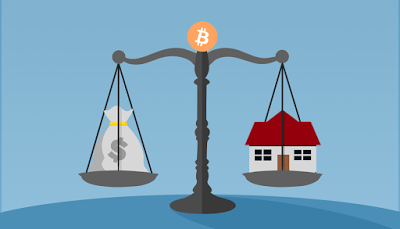
Generation X vs. Generation Y | Adopting Cryptocurrencies
Generation X and Generation Y Adoption of Cryptocurrencies: A Comparison
The world’s financial institutions are currently observing a vast digital ecosystem being expanded with reports for new digital currencies akin to the likes of cryptocurrencies to be launched soon. While these CBDCs (central bank digital currencies) are proclaimed not to harm or replace cash and other forms of legal tenders, we cannot help but talk about the ones instigating the change.
Cryptocurrency became popular since the launch of Bitcoin back in Jan 3rd, 2009. Ever since then, cryptocurrencies have seen a rise in popularity amongst the masses.
According to a recent study by Tech Jury, the cryptocurrency market cap has reached $265.545 billion as of May 2020. By 2023, the global blockchain market is expected to reach $23.3 billion. Furthermore, Bitcoin alone accounts for $6 billion of daily online transactions.
Moreover, cryptocurrency users have exceeded 40 million globally. In light, of this information, let’s take a quick look at how Millennials compare to Generation X when it comes to adopting cryptocurrencies.
Generation X
Generation X is widely regarded as the generation that followed Baby Boomers and preceded Millennials. Their age groups range from 40 to 55 years old as of 2020. Here is how Generation X is reacting towards cryptocurrency:
-
Investment Growth among Boomers & Gen X

While Millennials are regarded as the prime suspects for capitalizing on the crypto market, surprisingly both Baby Boomers and Gen X are being currently observed to closely follow the trends.
Hence in recent years, many sources have cited an increase in investment of cryptocurrency as both Boomers and Generation X take charge to close the gap. In some cases, they were also found to have more than doubled their investments.
-
Month on Month Growth

It seems like the word of mouth and awareness about cryptocurrency is spreading like wildfire as Generation X is seen to understand the value and find blockchain as a reliable security measure. Understanding the benefits of fast and instantaneous transactions, the group of disaffected people and entrepreneurs is already showing signs of crypto is affecting their thinking for the future.
Reports are coming in, showing an evident increase and Month on Month growth patterns. According to a study by Mode Banking, both Baby Boomers and Gen-X have shown a trend of increasing their investment in cryptocurrency by over 100%, especially during the COVID-19 pandemic.
-
Wealth Protection & Asset Diversification
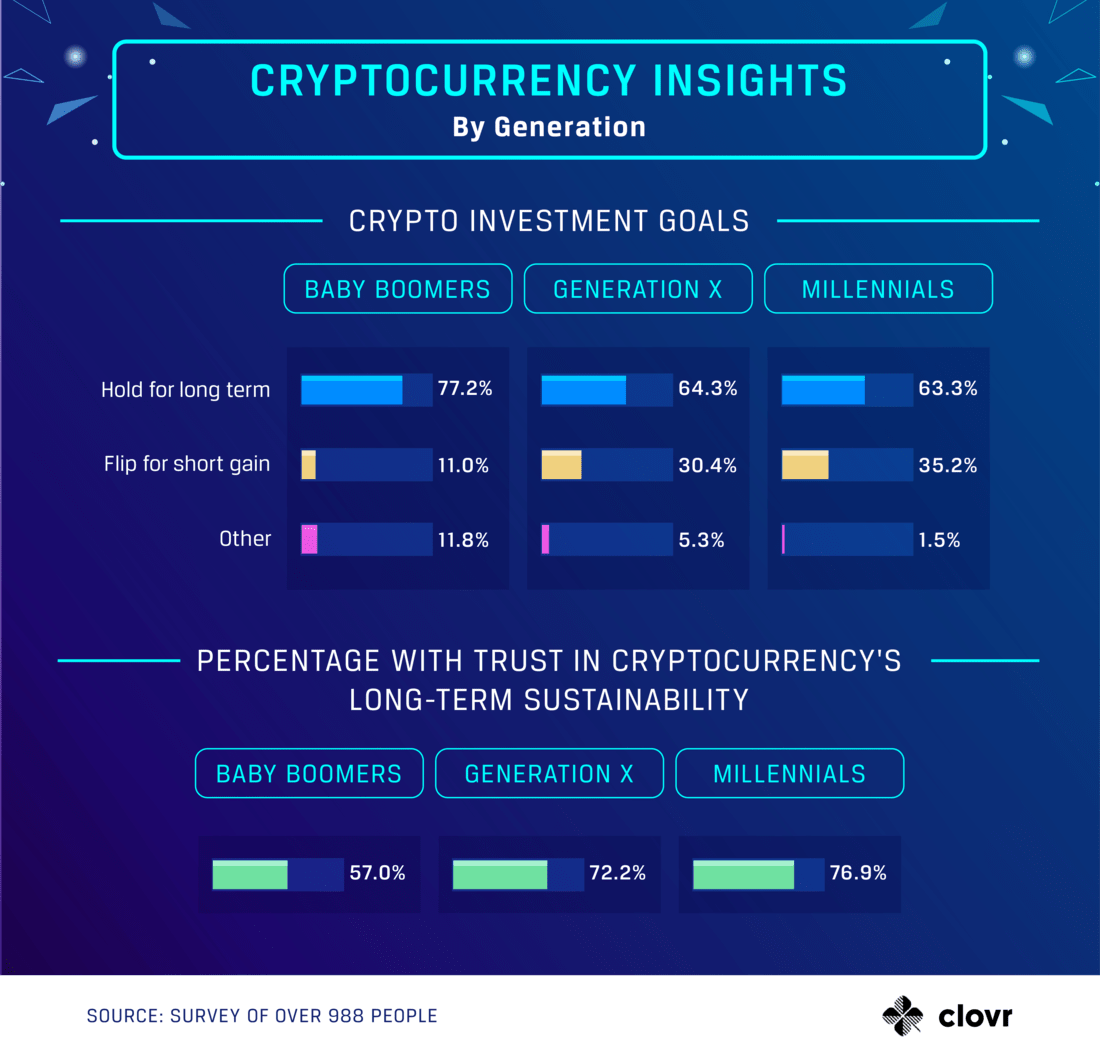
With the current economy ridiculed by the pandemic, the growing fear for wealth protection has led Baby Boomers and those belonging from Gen-X to invest in resources that can allow for asset diversification. Cryptocurrency so far has been observed as the most favorable type of investment to safeguard personal wealth.
Generation Y
Otherwise known as Millennials, Generation Y is widely regarded as the generation succeeding Gen-X and Baby Boomers. Their age groups range from 24 to 39 years of age. Often regarded as the parents of Generation Alpha (like my darling son!) they were born into a world that as quickly becoming familiarized with the internet, mobile devices, and social media.
-
Growth of Alternative Asset
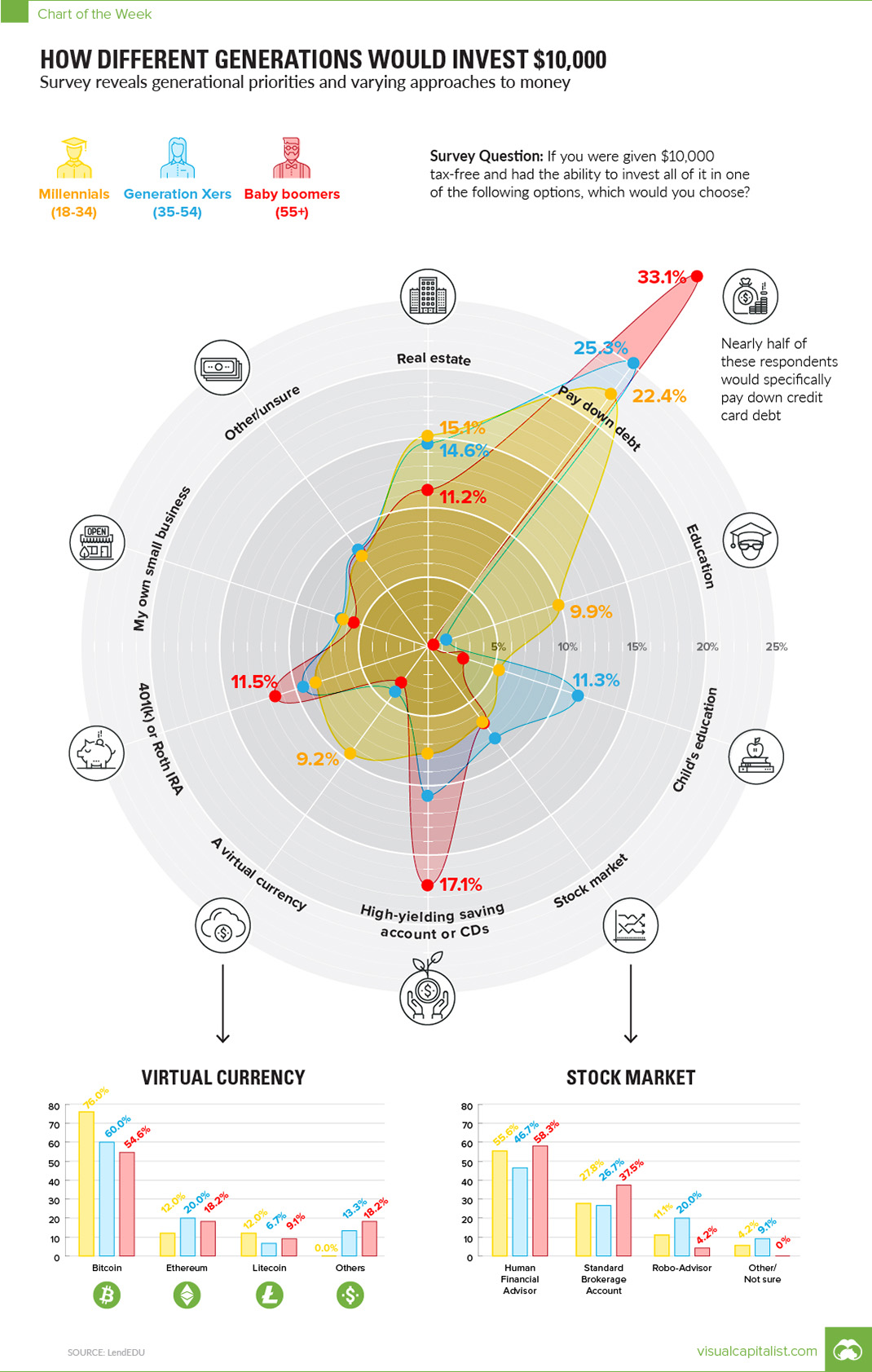
Millennials view of cryptocurrency is that of an alternative asset. Surprisingly not many of us want to invest in stocks and are more interested in assets that are backed by technologies. According to a recent study by Coin Telegraph, Millennials are three times more likely to invest in cryptocurrency as compared to Generation X. Furthermore, 9% of Millennials chose crypto as their long-term investment option.
Students applying for and seeking dissertation assistance are also looking for ways to invest alternative asset that can help secure their personal wealth for the future. It is important to note here that while both real estate and stocks are also good options for Millennials, they are currently dominated by Baby Boomers in the present times.
-
Shifting Presence for Everything Digital
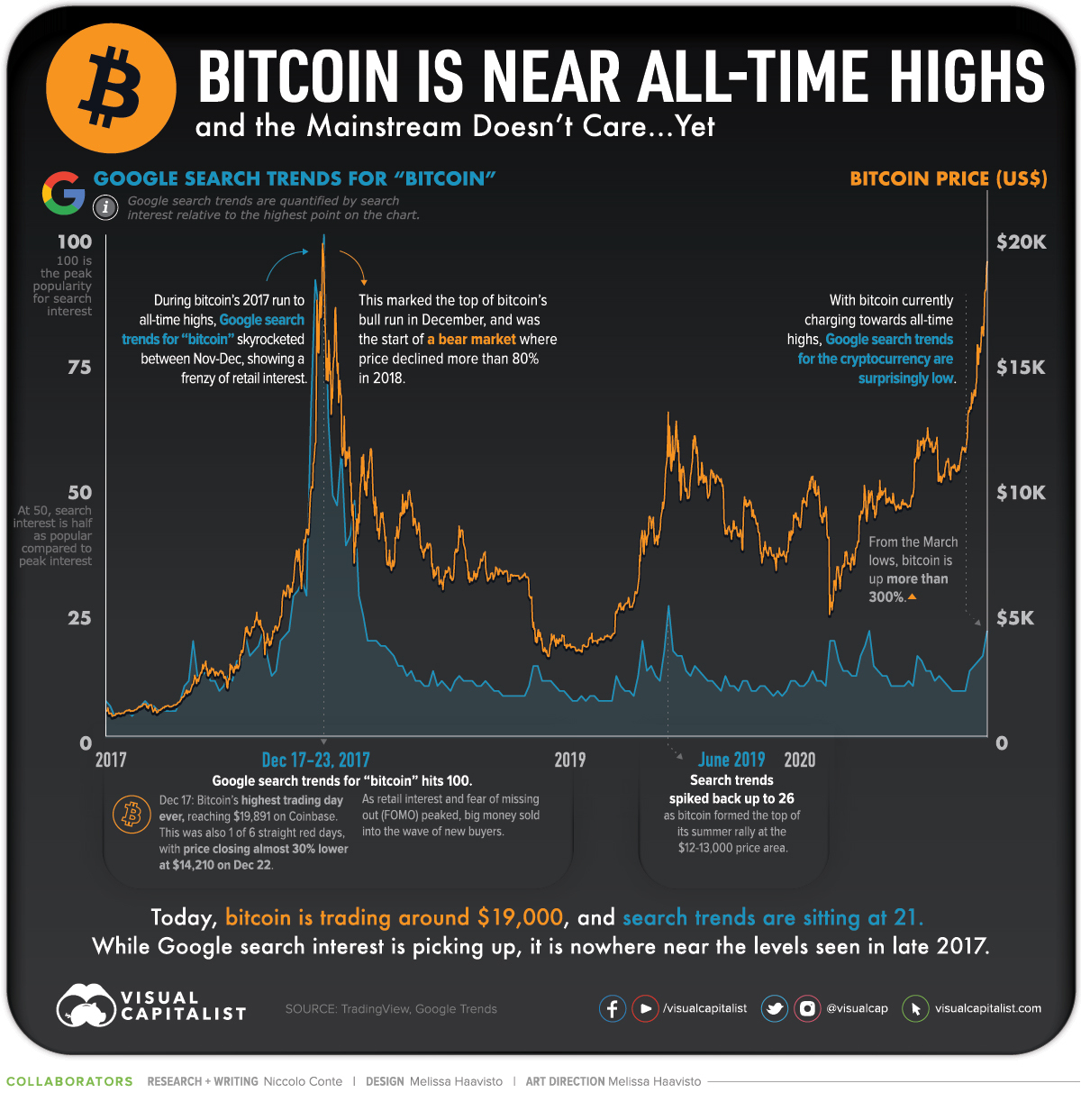
Studies from different financial institutions and digital currency markets are coming in showcasing Millennials as a driving force for the adoption of Bitcoin for years to come. Zac Prince, the CEO and founder of BlockFi, identifies a major trend for Millennials where they seek everything digital.
Furthermore, with Bitcoin reaching its all-time high and pushing over $23,000 per coin as of Dec 17, 2020, who can blame Millennials for making the right choice so far!
-
Wealth Transfer to the Young

There is a Japanese idiom that states the next generation as the actual king of the world. Come to think of it this world will always belong to the next generation that is how our life expectancy is all about. We may get to live 100 years, but eventually, the circle of life catches up to us. As we depart, the new generation takes to the throne.
For countless eras, this is how wealth has been passed down from old to the young. Currently, Millennials are in the process to take control and eventually move Boomers out to take their seat on the ruling chair. This transfer of power and wealth on a massive scale will indefinitely cause investment in cryptocurrency to rise by a tremendous rate.
Conclusion
Cryptocurrency is on the rise with Bitcoin riding the tidal wave in recent times. Not only digital assets and crypto are skyrocketing, but even the BIS (Bank of International Settlements) is also considering launching digital currencies with the help of IMF and 60 central bank members.
Someone really has to be blind enough to not see how things are rapidly changing and converging towards digital resilience. So far Millennials and Gen-X have shown their growing interest in adopting cryptocurrencies with Boomers lagging behind to catch up on the trend.
Author Bio
 Samantha Kaylee currently works as an Assistant Editor at Crowd Writer. This is where higher education students can acquire literature review writing service UK from professionals specializing in their field of study. During her free time, she likes to catch up on all the latest tech developments happening across the globe.
Open your free digital wallet here to store your cryptocurrencies in a safe place.
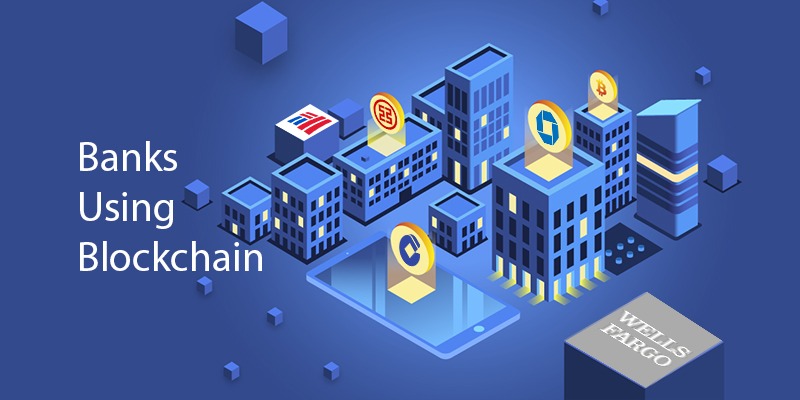
How Blockchain Technology is Changing the Banking Industry Forever
By far the biggest threat to banking in, well, living memory, has been blockchain technology. More specifically, cryptocurrency, but we’ll focus on the technology as a whole since this is what has been driving the movement.
All the tech companies in the world have been using it, including Google, Facebook, Apple, and Amazon, and a vast number of FinTech services, which is why it’s being seen as such a threat to traditional banks, but why is this happening?
What’s so important about blockchain?
In today’s post, we’re going to explore how and why blockchain technology is making such a big difference to the traditional banking format, and how the future of this industry is looking.
Source: Adarsh Goldar
How Blockchain Technology is Changing Payments
First and foremost, and by far the biggest form of change that blockchain is bringing into the world, is how financial payments are made and the way modern-day payment systems work. Whereas traditional banks can take a few working days to make a payment, meaning some international payments can take a very long time, blockchain payments are instant.
Since all you need is an internet connection to make the transaction, most will be handled and completed in a matter of minutes. These transactions can happen across borders to anywhere in the world, are extremely secure (especially when compared to traditional methods) and happen pseudoanonymously.
Due to the nature of blockchain technology, the costs involved in these transactions are usually very small, typically only several cents per transaction. This means that sending money across to the other side of the world is far cheaper than traditional wire companies, such as Visa or Western Union.
In the same way, remittances are also changing. Whereas overseas remittances are expensive and long-winded, with high processing times and the fact the money can be stolen, taxed, or subject to legal issues along the way, a blockchain process basically eradicates all these issues. There are dozens of companies already set up and operating to offer these services.
The Way Account Managing and Deposits are Handled
In the traditional way the world works, consumers tend to use banks to hold money in either their savings or checking accounts. Then, the bank will loan out the money being held to make money on top of the money you’re saving, and the cycle continues. This means when you look into your bank account, much of the money you have isn’t actually being held by the bank, but instead is out in other people’s accounts as loans.
If every customer of a bank went to the bank and withdrew everything they had, the bank would collapse. It’s a very fragile system that many consumers are unaware of. However, while this system isn’t going to change any time soon, blockchain technology can make the management of this system far more effective.
Due to the benefits that blockchain technology provides, these account ledgers are far more secure, far more reliable, and far more accessible. This means banks can accurately manage their ledgers to ensure that they aren’t taking out too many loans and will actively help reduce the risk of bank run, or the system crumbling.
A Reduction in Fraud
Fraud has always been a problem in the financial industry, and it costs people around the world billions of dollars every single year. However, for the similar benefits, we’ve spoken about above, blockchain is making things far more secure.
Since the vast majority of traditional banks are set up and organised around a centralised system, malicious people can target the centralised system to commit the acts of fraud. While there have been many measures to make the system as secure as possible, this isn’t fall-proof, and statistics show around 45% of all financial institutions are prone to fraud attempts.
Blockchain is a decentralised system, which means it’s everywhere and nowhere at the same time, which makes it incredibly difficult to fraud and theft to take place. There’s no single point of access like there is with a centralised banking system and trying to get into such a system means diving into layer upon layer of encryption, all spread out in hundreds of thousands of locations.
What’s more, every single change that takes place on the ledge is capable of being seen by every other person and system that has access to the ledger. This means if any fraudulent activity takes place, everyone can see it instantly and correct it. This will help protect people’s money and keep the system afloat.
Katherine Rundell is a finance writer at Academic Writing Services and Essay Writing Services. She writes about blockchain and banking and aims to help the world get educated about finances in a time where they can seem so out of control.
Open your free digital wallet here to store your cryptocurrencies in a safe place.

How Cryptocurrency is Paving the Future for Hedge Funds
We all know how cryptocurrency rose to power and the impact it’s having on the world, but now it’s confirming its place as a form of finance that is used and accepted around the world, it’s time to look to the future, in particular, hedge funds.
Have you ever thought about how cryptocurrencies are effective hedge funds, and how many believe that cryptocurrencies are, in fact, the future of hedge funds? Well, the future is now. Crypto hedge funds are already popping up here and there, and while 150 exist at the time of writing, there are many more on their way.
In fact, many believe that this number could double, if not triple, over the coming year. While it’s clear the venture capital industry is changing as we know it, today we’re going to share what we already know, and what we can expect in the coming years.
It’s Far from Ready
By many estimates, there are over 15,000 hedge funds around the world, 150 cryptocurrency hedge funds don’t seem like a lot. Even if you triple this number to 450, that still such a small percentage of the total hedge funds count, so why is this such a big deal?
The truth is, the industry is still growing and finding its feet, which means once it’s able to stand up for itself, so to speak, then it will really start to take up. At the moment, it’s still in its crawling days.
Rough estimates state that the hedge fund industry is worth around $3 trillion, whereas the amount of money going to cryptocurrencies is only around $3 billion. I know these are still huge sums of money, but on the grand scale of things, it’s tiny. However, this is predicted to change over the next 12 months.
This is because cryptocurrency values and estimates are still way too high, and many cryptocurrencies are way too volatile, which means investors are being cautious around them. Additionally, with so much competition in the industry, it’s hard for investors to know what to focus on, and what investment opportunities are worth the risk.
Many people still see investing in cryptocurrency as gambling, and it’s true, there’s still a huge factor in investing it. However, if the rate of integration of cryptocurrency into the mainstream continues as well as it is already, this shouldn’t continue to be a problem over the next few years.
When you consider that the top 35 cryptocurrencies are valued at over $1 billion, so it’s not going to be ignored any time soon.
Technology is Evolving
Of course, blockchain technology is responsible for making cryptocurrency work in the way it does, but it’s important to note that this technology is still evolving. There’s no denying that the technologies and services are still being invested in, but it’s a long way off being where it needs to be, although this is changing rapidly, and the hedge funds markets are reflecting this.
The more success that comes from the technology, the more it will be developed, and the more funds it will have invested in it, and therefore the faster it will evolve. This will be represented by a rapidly spiking curve over time and will happen fast.
The Tides are Changing
Look at the market, and what do you see? There’s no denying that cryptocurrency is the way that the market is going to go. After all, millennials are already ‘unbanking’ and moving their money in cryptocurrency deposits, rather than traditional banking systems and networks.
Traditional banking systems are noticing this and now, of course, have to consider cryptocurrencies in their banking strategies, and will continue to do so over the coming years. From an investor’s point of view, it’s important to start looking at these strategies and at how cryptocurrencies can be incorporated into their investment strategies.
If you don’t already have a cryptocurrency investment strategy existing, this is something you need to think about because you’re going to be left behind.
Although investors with cryptocurrency strategies are already ahead of the curve, the tides are changing fast, and you don’t want to be left behind and without a strategy when cryptocurrencies play such an integral role in the markets.

Michael Dehoyos is an economic consultant and editor at Coursework Writing Services. He assists companies in their marketing strategy concepts, and contributes to numerous sites and publications, as well as offering investment advice.
Open your free digital wallet here to store your cryptocurrencies in a safe place.

95% of Cryptocurrency Volumes is Fake
If you have been trading on a cryptocurrency exchange, you might have noticed how these platforms work. Buyers and sellers come together to exchange their favourite coins, in hopes of making a profit. The total volume of those transactions determines the popularity of an exchange, as well as the liquidity of cryptocurrencies.
For the longest time, the public used reported daily volumes of exchanges to determine the quality of an exchange and, as an extension of that, the best option to exchange cryptos quickly.
However, one strange thing started to happen as cryptocurrencies became more popular. The exchanges with the highest volumes were relatively unheard of and, in some cases, completely unknown.
This confused many market participants. How can an exchange with only 2000 Facebook fans and a quiet Telegram group have 3x more volume than Bitfinex?
And how can those same exchanges not create any liquidity for new coins, even though they report such massive numbers?
Long and behold, Bitwise launched an investigation to explore the causes of this issue. A short while later, in a 104-pager, they shared their findings with the world.
Most reported volumes are fake
According to the research performed, many cryptocurrency exchanges were artificially inflating their reported volumes. In fact, the numbers were so highly inflated that it is assumed that about 95% of the total volume is actually non-existent.
Why does this happen? Well, according to the same paper, it happens in order to increase the exchanges’ market position and make more profit on new coin listings. This, of course, makes it hard for new market participants to trust exchanges.
The logical thing to do then, is find platforms that you can actually trust. Exchanges that report real volumes, coherent with the activity of their users.
Paybis has created a helpful infographic to help you understand which platforms you can actually trust. Check the following infographic to better understand the findings of Bitwise.

As you may have imagined, the news was unpleasant for most crypto-enthusiasts. In fact, the community demanded answers from CoinMarketCap. The company that got recently acquired by Binance tackled this issue by introducing a Liquidity metric. Based on this, users are better able to distinguish between honest and “scammy” exchange platforms.
After its acquisition by Binance, the Reported Volumes metric also got a pleasant refresh. Volumes now look a lot more realistic and in line with the actual volumes being made on a daily basis.
Where do we go from here?
Cryptocurrencies, as a market, are still in their infancy. Thankfully, as the space keeps improving, so do the metrics of data collection. As such, it is expected the following year will completely eliminate irrelevant platforms that offer now value to the space.
Moreover, many new FIAT on-ramps for different countries are appearing on the market. We expect that this effort will continue and, eventually, increase the standard of requirements for the proper operation of exchange platforms.
By all means, the cryptocurrency space looks massively different than what it did two years ago. And with companies like Bitwise analyzing the market and helping its growth, we are more than confident about the next 2-5 years.
Open your free digital wallet here to store your cryptocurrencies in a safe place.