Institute
of Economic Affairs says governments should allow competition on a
level playing field between all alternative forms of money.
19 Jun
0
Italy house of parliament hosts bitcoin believers
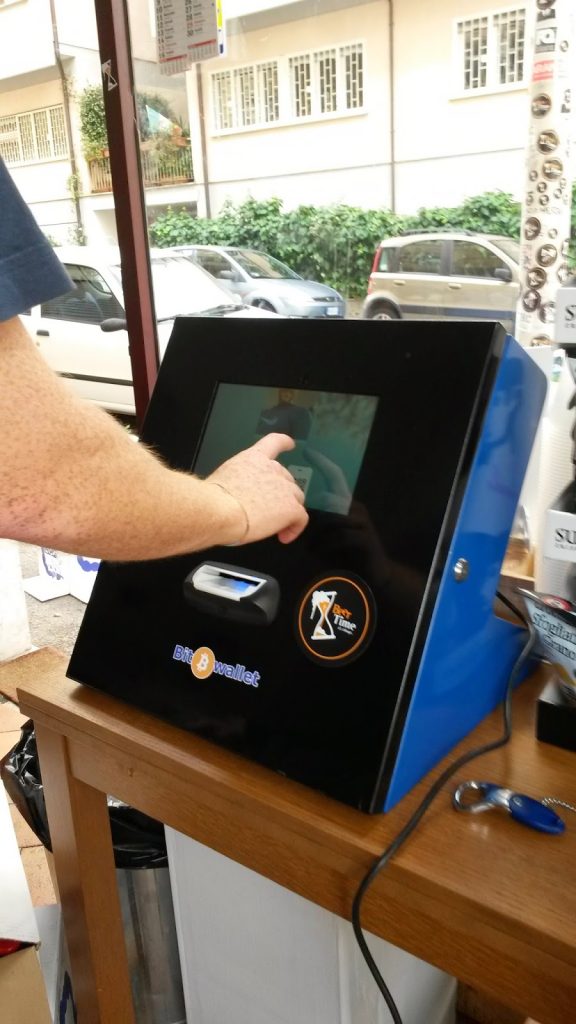 |
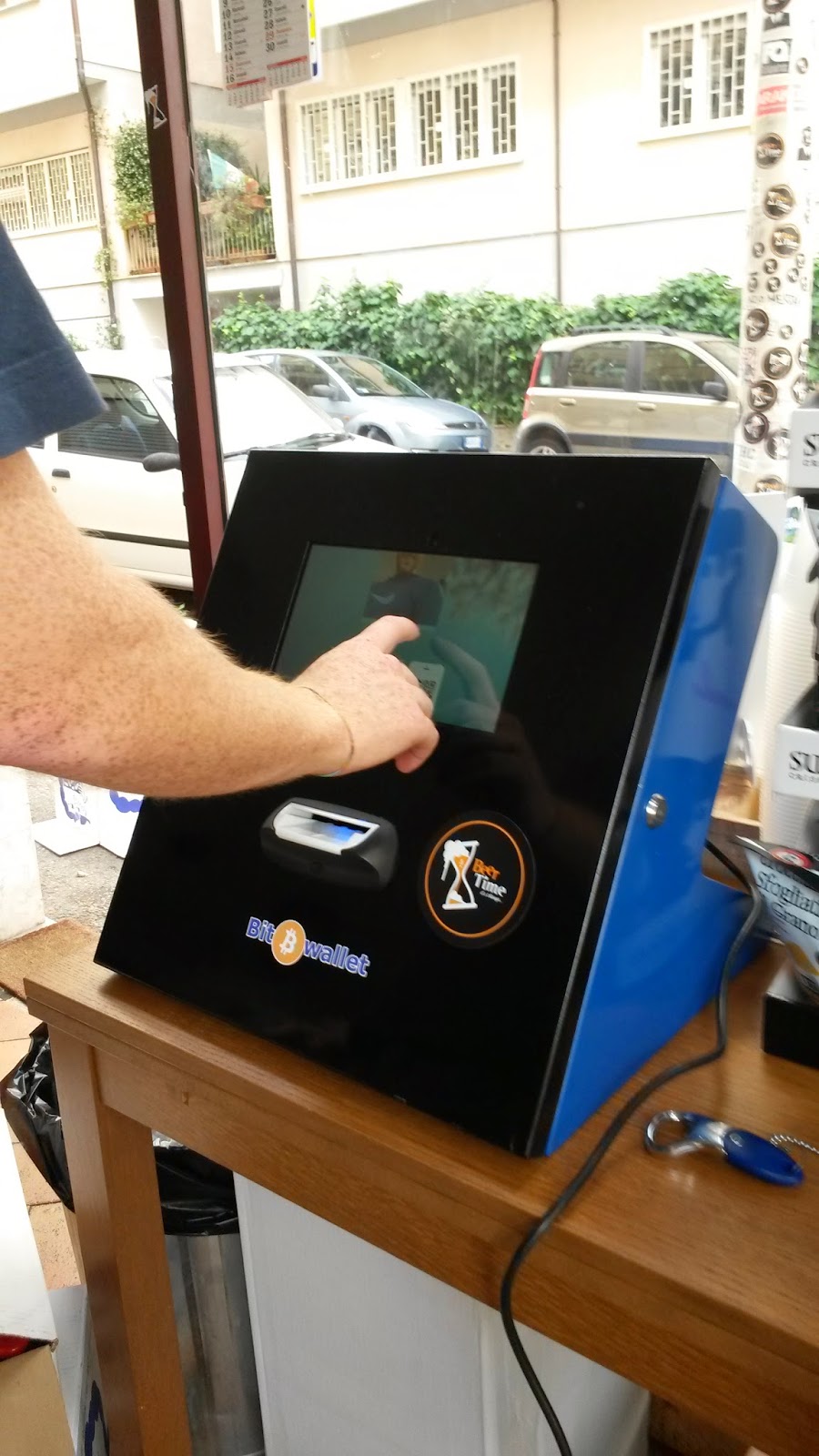
| Bit-Wallet at Bitcoin Meetup in Rome Photo by G. Baroncini Turricchia |
(CoinDesk) Italian bitcoin enthusiasts gathered at the Chamber of Deputies, the
lower house of the Italian parliament, in Rome on Wednesday with the aim
of informing Italian lawmakers about the economic benefits of bitcoin.
lower house of the Italian parliament, in Rome on Wednesday with the aim
of informing Italian lawmakers about the economic benefits of bitcoin.
The 11th June event, organised by bitcoin consultancy Coin Capital, featured participation from parliament member Stefano Quintarelli and Senate Vice President of the Treasury and Finance Committee Francesco Molinari, as well as representatives from Italy’s academic and banking sectors.
Coin Capital told CoinDesk that the first two hours saw its partners Sebastiano Scròfina and Guido Baroncini Turricchia, University of Rome ‘Tor Vergata’ telecommunications professor Francesco Vatalaro and investment bank Banca IMI’s Ferdinando Ametrano introducing blockchain technology and its monetary applications.
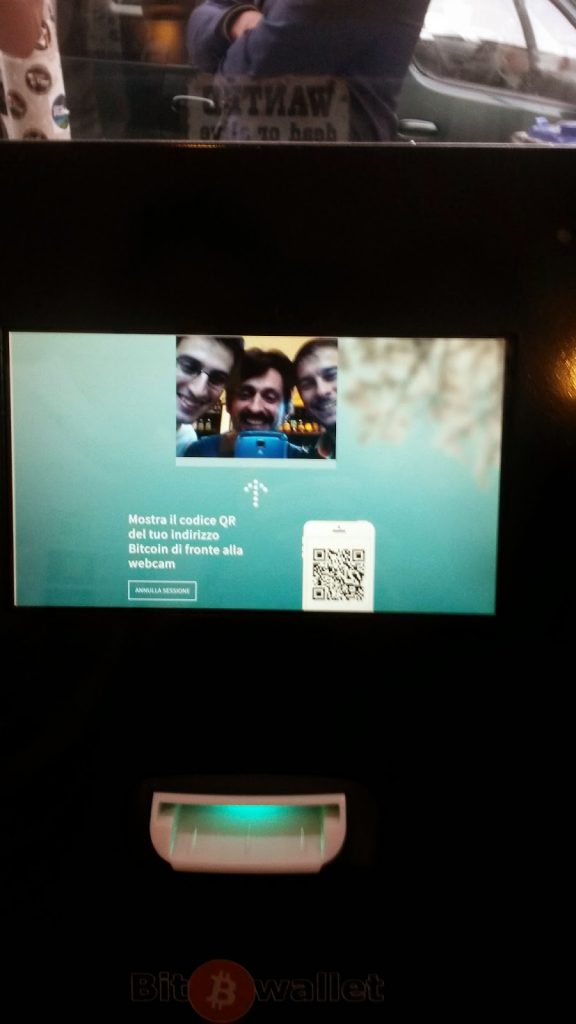
At the event, Bit-Wallet also unveiled the country’s first domestically produced bitcoin ATM.
Baroncini Turricchia characterized the remainder of the day’s events, stating:
“Risk and opportunity were clearly disclosed in a neutral way. In the second part, [a representative moderated a] discussion between politicians, institutions and business, and [many questions were asked by these participants].”
The events come in the wake of the Central Bank of Italy’s May warning that domestic investors should avoid buying, investing in or using bitcoin as a currency due to price volatility and the lack of consumer protection laws to protect consumers.
Proliferating bitcoin
A second, non-affiliated event, organized by digital payment advocacy group CashlessWay, is set to take place on 26th June. Speakers will include bitcoin banking provider Robocoin CEO Jordan Kelly and parliament member Sergio Boccadutri, who presented a proposal for regulating bitcoin under existing Italian law in January.
Robocoin indicated it is looking forward to the event as a way to help educate an influential government about the nascent technology, stating:
“Italy is full of cultural tastemakers and has a rich history in banking and finance. These all support Robocoin’s goal of helping proliferate bitcoin.”
For more information on the 11th June event, visit Coin Capital’s website.
Open your free digital wallet here to store your cryptocurrencies in a safe place.
19 Jun
0
Japan’s ruling party says won’t regulate bitcoin for now
| A man walks past a building where Mt. Gox, a digital marketplace operator, is housed in Tokyo February 25, 2014. |
Japan’s leading Liberal Democratic Party said it decided against regulating bitcoin for the time being, after the collapse of Tokyo-based bitcoin exchange Mt.Gox prompted them to consider more scrutiny of the virtual currency.
Mt.Gox, once the world’s biggest bitcoin exchange, filed for bankruptcy in February after saying hackers stole 750,000 bitcoins belonging to its customers.
“Basically, we concluded that we will, for now, avoid a move towards legal regulation,” Takuya Hirai, an LDP lawmaker who leads the party’s internet media division, said on Thursday, adding that a final decision would be made after hearing more opinions on the subject
The use of electronic currencies has drawn the attention of governments around the world who are unsure whether, and how, to regulate them. U.S. agencies ranging from the New York bank regulator to the Commodity Futures Trading Commission have also been looking into possible regulation.
A task force of U.S. state regulators is also working on the first bitcoin rulebook, hoping to protect users of virtual currency from fraud without smothering the fledgling technology.
Open your free digital wallet here to store your cryptocurrencies in a safe place.
19 Jun
0
Privatise the pound and replace it with bitcoin, says free-market thinktank
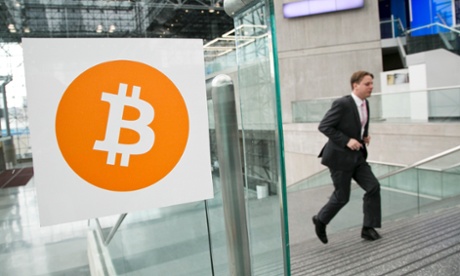 |
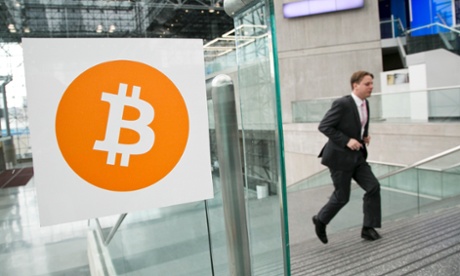
| A man enters a bitcoin conference in New York. Photograph: Mark Lennihan/AP |
(TheGuardian) UK should privatise the pound and replace it with a
cryptocurrency like bitcoin, according to a paper published Wednesday by
the free-market Institute of Economic Affairs.
cryptocurrency like bitcoin, according to a paper published Wednesday by
the free-market Institute of Economic Affairs.
Kevin Dowd, a
professor of finance and economics at Durham University, says that
although bitcoin isn’t the first example of private money, it is the
first that governments can’t shut down. Therefore, he says, authorities
should admit that it’s here to stay, and allow competition on a level
playing field between all alternative forms of money.
professor of finance and economics at Durham University, says that
although bitcoin isn’t the first example of private money, it is the
first that governments can’t shut down. Therefore, he says, authorities
should admit that it’s here to stay, and allow competition on a level
playing field between all alternative forms of money.
That might
include allowing taxes to be payed in cryptocurrencies such as bitcoin
and dogecoin, or even fully privatising the pound, selling off the right
to mint the currency to the highest bidder.
include allowing taxes to be payed in cryptocurrencies such as bitcoin
and dogecoin, or even fully privatising the pound, selling off the right
to mint the currency to the highest bidder.
“Let’s suppose that
bitcoin became a very prominent currency,” Dowd told the Guardian. “[To
ensure a level playing field], the government itself would accept
bitcoin in tax payments. So, in effect, the government should not be
favouring its own currency, or any particular currency, through any of
its unique powers. Nor have regulations against them.
bitcoin became a very prominent currency,” Dowd told the Guardian. “[To
ensure a level playing field], the government itself would accept
bitcoin in tax payments. So, in effect, the government should not be
favouring its own currency, or any particular currency, through any of
its unique powers. Nor have regulations against them.
“The natural
analogy is with some of the old, bad, monopolies like British Gas or
British Telecom. Telecom is a very good example: for a long time, we had
a government monopoly, which stifled innovation, and the service was
poor. Once that got opened up, competition opened, new innovation
prospered, and we got all sorts of innovation that we couldn’t possibly
anticipate, and we’re a lot better off for it.”
analogy is with some of the old, bad, monopolies like British Gas or
British Telecom. Telecom is a very good example: for a long time, we had
a government monopoly, which stifled innovation, and the service was
poor. Once that got opened up, competition opened, new innovation
prospered, and we got all sorts of innovation that we couldn’t possibly
anticipate, and we’re a lot better off for it.”
Dowd places
bitcoin at the pinnacle of a historical trend of government crackdowns
on attempts to create private money. The Liberty Dollar, a physical,
gold-based private mint, and e-gold, a digital, gold-based e-currency,
both ended up with their creators and proprietors in court, the former
on charges of counterfeiting, and the latter over allegations of money
laundering.
bitcoin at the pinnacle of a historical trend of government crackdowns
on attempts to create private money. The Liberty Dollar, a physical,
gold-based private mint, and e-gold, a digital, gold-based e-currency,
both ended up with their creators and proprietors in court, the former
on charges of counterfeiting, and the latter over allegations of money
laundering.
But Dowd argues the charges were
politically-motivated protectionism. “Counterfeit 101 is that you try
make the fake look like the real thing,” he says, “and the whole
business model was predicated on saying that [the Liberty Dollar] is
superior to US currency.”
politically-motivated protectionism. “Counterfeit 101 is that you try
make the fake look like the real thing,” he says, “and the whole
business model was predicated on saying that [the Liberty Dollar] is
superior to US currency.”
Because Bitcoin is decentralised, it’s
significantly harder to crack down on using the courts – “you could shut
the whole web down, but they can’t do that,” Dowd adds – and so
governments can’t stop its rise. If it does become popular, they will
have to deal with it some other way.
significantly harder to crack down on using the courts – “you could shut
the whole web down, but they can’t do that,” Dowd adds – and so
governments can’t stop its rise. If it does become popular, they will
have to deal with it some other way.
There’s a lot standing in the
way of cryptocurrencies before they reach that success, however. For
one thing, Dowd writes, “to displace existing state currency they not
only have to perform the basic functions of money at least as well as
state money, they probably also need qualities that transcend the way in
which state money works.”
way of cryptocurrencies before they reach that success, however. For
one thing, Dowd writes, “to displace existing state currency they not
only have to perform the basic functions of money at least as well as
state money, they probably also need qualities that transcend the way in
which state money works.”
For some advocates of bitcoin, as well
as for Dowd himself, those qualities come in the form of protection
from inflation: the cryptocurrency will only ever have 21m coins
created, ensuring that it will always “hold its value” (though also,
critics claim, rendering the bitcoin economy prone to deflationary
slumps).
as for Dowd himself, those qualities come in the form of protection
from inflation: the cryptocurrency will only ever have 21m coins
created, ensuring that it will always “hold its value” (though also,
critics claim, rendering the bitcoin economy prone to deflationary
slumps).
For others, they come from the purely digital nature of the currency. Venture capitalist Marc Andreessen describes it
as the financial equivalent of the internet, saying “The internet was a
new way to transmit data. Bitcoin’s a new way to transmit money. It’s
going to take a long time. The good news it’s a big opportunity. Money
is a very big deal, and so if you can build a new way to deal with
money, it’s very important and valuable. It just takes time.”
as the financial equivalent of the internet, saying “The internet was a
new way to transmit data. Bitcoin’s a new way to transmit money. It’s
going to take a long time. The good news it’s a big opportunity. Money
is a very big deal, and so if you can build a new way to deal with
money, it’s very important and valuable. It just takes time.”
Open your free digital wallet here to store your cryptocurrencies in a safe place.

19 Jun
0
Swedish central bank acknowledges benefits of cryptocurrencies
(CoinDesk) Sveriges Riksbank, Sweden’s central bank, has published a brief economic commentary on the impact of digital currencies on the retail payments market.The document outlines the basics behind digital currencies and focuses on bitcoin, but it also mentions some altcoins such as litecoin and dogecoin. Aside from a relatively basic introduction to digital currencies and background information for novices, the document also sheds light on the state of bitcoin in Sweden and the bank’s attitude towards bitcoin and other cryptocurrencies.
Take-up remains limited
The Sveriges Riksbank report found that the use of digital currencies in Sweden remains very limited. The authors point out that it is particularly difficult to obtain accurate information on the use of digital currencies in different countries, hence most analyses are usually limited to the total issue value and global usage. The report tries to isolate Sweden and examine transactions limited to Swedish krona (SEK) exchanges. Even so, the data may not be complete, as it only deals with transactions involving SEK.
“On average, around 212 bitcoins per day were converted to or from SEK during the period December 2012 to May 2014 at an average value of just over SEK 266,000. However, the daily value varied substantially, between SEK 2,500 and SEK 2.5 million, depending on the exchange rate and the number of bitcoins exchanged,” the report notes.
The authors caution that the statistics are incomplete, as there is no data on transactions between private persons and other movements of funds that could be relevant. Therefore, they concede, the exchange statistics may underestimate the use of bitcoin in Sweden. However, the report concludes that the values involved in cryptocurrency transactions pale in comparison to traditional transactions. This is how bitcoin stacks up:
“Households make daily payments using cards and cash totalling 8 million in volume and to a total value of over SEK 3 billion. Even if the use of bitcoin in Sweden were to be much larger than the average exchange value of just over SEK 266,000, this is a relatively low value in relation to other types of payment. At present, there only seem to be around 25 swedish companies accepting Bitcoin.”
Risky but innovative
Although the report contains the usual set of caveats found in most central bank statements involving digital currencies, it also includes some relatively positive commentary. The report states that digital currencies are one of many innovations in the Swedish payments market and like other innovations, digital currency is essentially positive:
“It can contribute to meeting new payment needs and to making payments cheaper and more secure. Those who choose to use a particular payment service can be expected to do so because it gives them an added value in relation to other payment services. This also applies to virtual currencies, which can for instance make some cross-border payments simpler, faster and cheaper. Another advantage is if the payer does not need to share sensitive information, such as card number or bank account number, with the payee.”
Cryptocurrencies may also be better suited for micropayments made via websites, the report further notes. Disadvantages associated with digital currency platforms include lack of clear regulation, lack of consumer protection regulation, volatility, security risks and the risk of using digital currencies for illicit transactions. The report concludes that the impact of any innovation depends on how much it is used. The use of digital currencies is “very limited” both in terms of the number of users, the number of transactions and the value involved in said transactions. Therefore both the positive and negative effects of digital currencies on the payment market in Sweden are currently negligible.
Open your free digital wallet here to store your cryptocurrencies in a safe place.

10 Jun
0
First Bitcoin hearings at the Italian Parliament tomorrow
Tomorrow, in the Aldo Moro meeting room of the Italian Parliament there will be a consultation on the open source Bitcoin protocol. The technical aspects will be introduced by:
- Sebastiano Scrofina – CEO and Co-Founder at Dropis
- Guido Baroncini Turricchia – CoinCapital’s Partner
- Francesco Vatalaro – Università Di Tor Vergata
- Massimo Bernaschi – CNR
- Ferdinando Ametrano – Banca IMI – Università Bicocca
- Roberto Tudini – Studio Tudini&Tudini
In the second part there will be a round table that will allow for the comparison of ideas and the points of view of different stakeholder. The event is organized by the On. Quintarelli and CoinCapital, bringing the Bitcoin inside the walls of the Italian Parliament allowing to highlight the risks and the opportunities.Offering to the parliament a first overview and a neutral basis to start an aware and balanced discussion.
Open your free digital wallet here to store your cryptocurrencies in a safe place.
30 May
1
The difficulty of getting Bitcoin to catch on in Italy
Italy’s
first Bitcoin ATM was a Lamassu machine, installed in Udine,
a northeastern city nestled between the Alps and the Adriatic
Sea.
first Bitcoin ATM was a Lamassu machine, installed in Udine,
a northeastern city nestled between the Alps and the Adriatic
Sea.
(CoinTelegraph) That’s wine country, and you would need plenty of it to wash
down the stuffed gnocchi.
down the stuffed gnocchi.
The machine’s owner, Luca Dordolo, is often nearby to assist
anyone who needs help using the machine (it’s located in the hall of his family’s business).
He’s even had the interface translated into the local Friulian language, as
well as Italian.
anyone who needs help using the machine (it’s located in the hall of his family’s business).
He’s even had the interface translated into the local Friulian language, as
well as Italian.
Dordolo’s vision is to create an Italian hub for Bitcoin, and
his next step at this point is to install more machines around the country.
his next step at this point is to install more machines around the country.
Obstacles, both legal and cultural, are making this difficult,
though.
though.
Legal Obstacles
First, Dordolo laments the “lack of relevant legislation” in Italy
regarding Bitcoin, forcing him to operate in a grey area with which many
Bitcoin entrepreneurs are familiar.
regarding Bitcoin, forcing him to operate in a grey area with which many
Bitcoin entrepreneurs are familiar.
Before buying that first Lamassu ATM, Dordolo said he had a
pool of attorneys and legal experts advise him on what he could and could not
do. Italy,
they told him, does not regulate Bitcoin itself, nor are there any
know-your-customer regulations, but any transactions above 999.99 EUR need to
be reported.
pool of attorneys and legal experts advise him on what he could and could not
do. Italy,
they told him, does not regulate Bitcoin itself, nor are there any
know-your-customer regulations, but any transactions above 999.99 EUR need to
be reported.
So, that was the limit he set.
Here is what BitLegal says about Italian legislation:
“The use of electronic
currency is restricted to banks and electronic money institutions — that is,
private legal entities duly authorized and registered by the Central Bank of Italy.
Aside from these developments, Italy
does not regulate Bitcoin use by private individuals, and currently the
implementation of initiatives concerning the use of electronic currencies lies
with the EU.”
Dordolo is not confident Italian law will catch up with the
technology.
technology.
“Banca d’Italia is
studying the [Bitcoin] phenomenon, and perhaps — if they were fast — in 10-20
years we could have a law on it.”
Cultural Obstacles
Dealing with murky Italian laws is one thing. Dealing with
local perception is something else entirely, Dordolo said.
local perception is something else entirely, Dordolo said.
“In Italy, we are at the beginning of
Bitcoin’s spreading among the population. There is an interesting Bitcoin
community [in Italy],
but it is still very hard to explain to Italian people the real value that
Bitcoin creates in the economy and the job opportunities it creates.This is because of
misinformation by the national media that actually regard it as a scam or worst
as associated with criminal deeds.Even the local Bitcoin
Foundation is not as active as it should be, so whatever can move this
situation is welcome.”
Open your free digital wallet here to store your cryptocurrencies in a safe place.
27 May
0
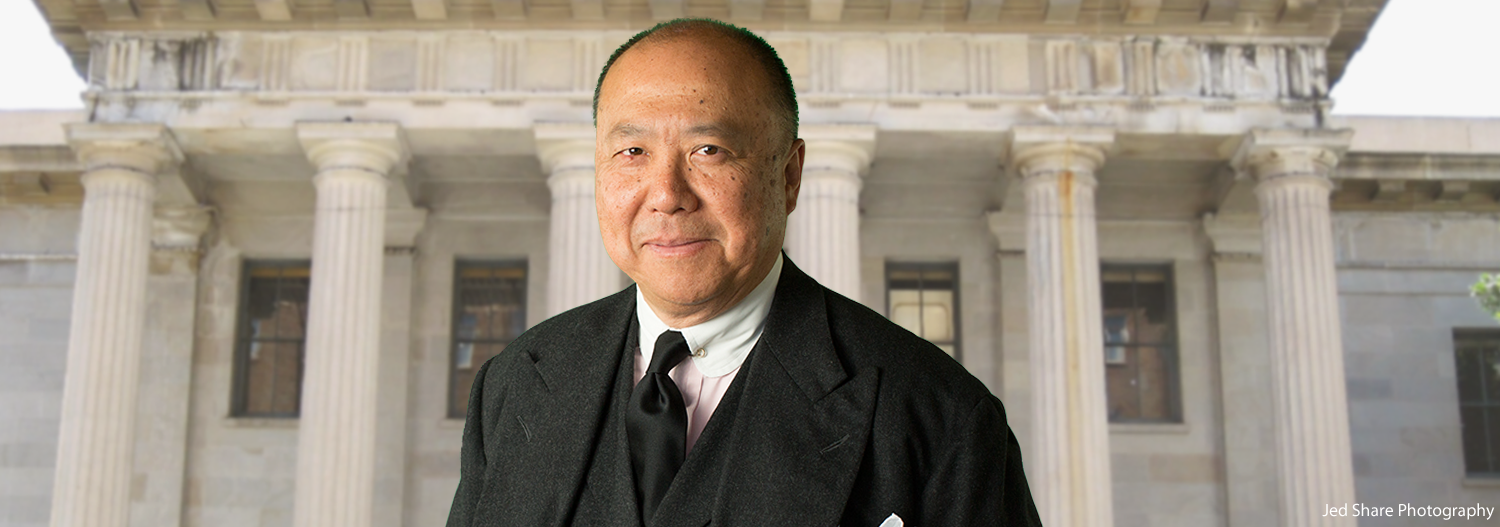
Former US Mint Chief: Bitcoin a serious challenge to government money
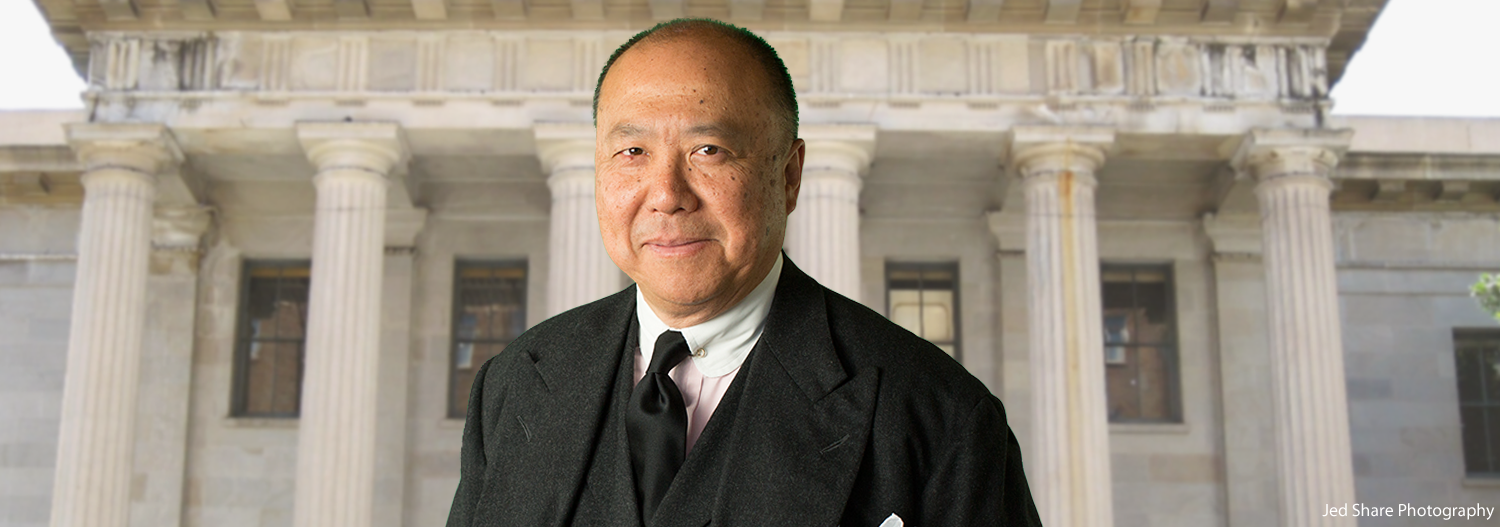
(CoinDesk) Edmund C. Moy, the former director of the US Mint — the government
body responsible for producing the country’s physical coins, made waves
in the bitcoin community this week when he took to Twitter to voice his
enthusiasm for digital currencies.
body responsible for producing the country’s physical coins, made waves
in the bitcoin community this week when he took to Twitter to voice his
enthusiasm for digital currencies.
Moy’s comments were issued in response to the most recent $2.6bn Credit Suisse settlement, in which the Switzerland-based banking giant pleaded guilty to helping clients evade taxes.
In light of this news, the 38th Director of the US Mint went so far as to suggest that digital currency could provide the answer to current problems in the financial system, writing:
$2.6B fine ‘won’t do much damage’: Credit Suisse CEO. It’s time banks got competition. Time for cryptocurrencies. http://t.co/OT3dBTDlrq
— Edmund Moy (@EdmundCMoy) May 22, 2014
However, Moy didn’t stop there. The former member of the Department of Homeland Security took to his blog on 23rd May to issue an entire post on how bitcoin is leading to “a revolution in payment systems”.
Moy wrote:
“Bitcoin,
and the ideas behind it, will be a disruptor to the traditional notions
of currency. In the end, currency will be better for it.”
The
full post lightheartedly addressed bitcoin and its strengths and
weaknesses, with Moy offering a perhaps surprisingly optimistic
assessment of how the technology will impact the global financial
marketplace.
full post lightheartedly addressed bitcoin and its strengths and
weaknesses, with Moy offering a perhaps surprisingly optimistic
assessment of how the technology will impact the global financial
marketplace.
Bitcoin removes government monopolies
Perhaps
most notably, Moy suggested that digital currencies can even help
prevent some of the more severe drawbacks associated with fiat
currencies. In particular, he predicts it will eliminate what he views
as the government monopoly on money, writing:
most notably, Moy suggested that digital currencies can even help
prevent some of the more severe drawbacks associated with fiat
currencies. In particular, he predicts it will eliminate what he views
as the government monopoly on money, writing:
“It has a
low risk of collapse unlike a sovereign government’s currency (just ask
the Greeks or more broadly, the European Union).”
Moy acknowledged this as a positive, even if he realized the innovation would likely threaten his former employer.
He added: “You can mine your own bitcoins. No mint needed!”
Bitcoin an innovative means of exchange
Moy was also enthusiastic about bitcoin’s potential to offer a new way for global consumers to transact, stating:
“As
a medium of exchange, bitcoin offers several unique innovations to
currency: global nature, infinite divisibility and easy to carry.”
Calling
today’s transaction systems “archaic”, he argued that bitcoin’s ability
to divide effortlessly would allow for new methods of monetization via
micropayments, and that it could eliminate existing barriers to global
markets.
today’s transaction systems “archaic”, he argued that bitcoin’s ability
to divide effortlessly would allow for new methods of monetization via
micropayments, and that it could eliminate existing barriers to global
markets.
Bitcoin will be a safe store of value
Moy was equally positive about bitcoin as a store of value, saying that he believes bitcoin’s price will become more stable as it’s adopted by mainstream consumers.
However,
he took aim at critics of the idea who believe that government-backed
alternatives are perhaps more secure, saying that the US dollar is
driven mostly by market demand.
he took aim at critics of the idea who believe that government-backed
alternatives are perhaps more secure, saying that the US dollar is
driven mostly by market demand.
As an added benefit, he theorized
bitcoin could even allow governments the ability to dedicate more time
to monetary policy that could positively impact their economies should
it reach its full potential.
bitcoin could even allow governments the ability to dedicate more time
to monetary policy that could positively impact their economies should
it reach its full potential.
To read Moy’s full remarks, read his full post.
Open your free digital wallet here to store your cryptocurrencies in a safe place.
21 May
0
Federal reserve advisory council sheds positive light on Bitcoin
Bitcoin regulation has consistently proved to be a touchy subject inside and out of the bitcoin community.
In February, much of the community rejoiced when Federal Reserve Chairwoman Janet Yellen insisted that the regulatory entity had no authority to when it came to the digital currency.
In February, much of the community rejoiced when Federal Reserve Chairwoman Janet Yellen insisted that the regulatory entity had no authority to when it came to the digital currency.
On the other hand, other enthusiasts say that regulation exactly what bitcoin needs in order to get to the next level in terms of mainstream adoption; one of those being SecondMarket CEO, Barry Silbert. The bitcoin proponent and Bitcoin Investment Trust founder believes that regulation is necessary in order for Wall Street to increase its involvement in the digital currency landscape.
A recently obtained document from a Federal Reserve Advisory Committee meeting early this month has shed some light on this very topic, in return, revealing exactly how the Fed plans on reacting to the relatively new and emerging technology.
The Federal Advisory Council and Board of Governor’s record of meeting devoted a special section of the outline to bitcoin specifically. Among the key topics of concerns listed in respect to the digital currency were whether or not bitcoin has the potential to cause the “disruption of traditional channels of commerce with high potential for illicit use.” In respect to banking, the document also questions the possible “disintermediation of traditional payment networks, promoting shadow transacting.”
In the eyes of the Fed, indications point that the outlook is unanimous in that rather than posing as threat, bitcoin, with increased regulation, may hold promise:
Bitcoin does not present a threat to economic activity by disrupting traditional channels of commerce; rather, it could serve as a boon … Its global transmissibility opens new markets to merchants and service providers … Driving capital flows from the developed to the developing world should increase consumption.
The Federal Advisory Council (FAC) is comprised of twelve elite representatives of the banking industry. The committee meets four times a year, as required, to consult with and advise the Board on all matters within the Board’s jurisdiction. The overall rhetoric among the committee is that the board echoes the voice of Silbert in that the current financial institutions will play a key role in bitcoin’s future. The FAC ‘s conclusion was that, “should [bitcoin] adoption accelerate, banking could participate increasingly in bitcoin fund flows, especially as multicurrency accounts proliferate and reputational concerns subside.”
The FAC’s stance on bitcoin supports a reversal in the plethora of bad news encompassing the digital currency. Following easing tensions in China, the wildly successful Bitcoin2014 conference in Amsterdam, which delivered a surplus of positive news along with several major announcements, bitcoin has surged in value over that past several hours. Prices on Bitstamp rose from an opening of $448.34, while spiking as high as $500.00 mid-day as optimism surrounding the digital currency continues to influence bitcoin’s value.
Open your free digital wallet here to store your cryptocurrencies in a safe place.
19 May
0
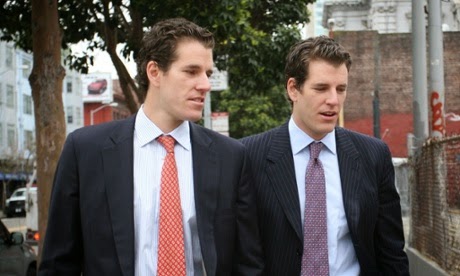
Winklevoss twins betting Bitcoin will be bigger than Facebook
(NewsBTC) The duo — who infamously won a multimillion dollar settlement from
Facebook following claims Mark Zuckerberg had ripped off their idea —
says that bitcoin could very well become bigger than Facebook, says The Guardian.
|
| The Winklevoss twins are betting big on bitcoin. |
Facebook, of course, is the world’s largest social network — with a user base exceeding one billion.
The two came to learn about bitcoin whilst on holiday in Ibiza, saying they were “fascinated from day one.”
And while bitcoin’s $5.67 billion market cap doesn’t come close to
touching Facebook’s $150 billion cap, the Winklevosses put their faith
in the digital currency for the reason that it has more potential to be
more impactful than a social network.
“Bitcoin potentially could be more impactful because being able to
donate 50 cents to someone across the world has more impact than
potentially sharing a picture,” said Tyler Winklevoss.
“But they’re very different. Facebook is like the internet – a large
company and an application. Bitcoin is a protocol for decentralisation,
so you could build a decentralised company on top of it, a stock market.
It’s an internet of ownership, so it’s not quite a direct comparison.”
For critics who point to bitcoin’s volatility as a reason it can
never be widely successful, the twins say that’s basically a
non-statement.
“Unregulated assets with unclear regulatory landscapes are always
going to be volatile. That’s what unregulated assets do,” said Tyler,
who points to the early days of the Internet as an example of a
technology that can go from an enthusiast’s interest to a worldwide
phenomenon.
The twins, who are working on the own bitcoin ETF (and also recently launched a price index) predict that this is the year Wall Street becomes heavily involved in the bitcoin-o-sphere.
Already, we’re seeing incredibly amounts of investor interest,
especially in the wake of two major price spikes that eventually brought
the price of bitcoin above $1,000 late last year.
The Winklevosses are estimated to own one percent of bitcoins presently in circulation.
Open your free digital wallet here to store your cryptocurrencies in a safe place.

16 May
0
Japan to monitor Bitcoin rather than regulate it
(CoinReport) Japan’s involvement with bitcoin has taken a massive blow due to all of the negative press surrounding the Japanese failed bitcoin exchange, Mt. Gox. Since then, warnings of the risks involved with dealing in the digital currency have been spread throughout the world by regulators and critics alike.
Japan Will Monitor Bitcoin
However, rather than placing specific laws or regulations attached to how the country should be allowed to use bitcoin, it will just monitor it instead. On Tuesday, the Japanese government claimed that regulating bitcoin wasn’t under their jurisdiction. Sources say that Japan’s Ministry of Economy, Trade and Industry is devising a plan to make it easier to monitor illegal bitcoin activity. Prime Minister Shinzo Abe and his administration identify bitcoin as not being a form of currency. They do identify it as being an electronic payment method.
As most government officials and regulators do, Japan’s warn the public of bitcoin’s potential dangers, such as its uses in money laundering and drug trafficking.
Regulators Warn of Bitcoin
While Japan has no plans to enforce rules over bitcoin, other regulators feel that regulation over the digital currency is the only way for it to be safe enough for investors to get into. On the other hand, some feel bitcoin isn’t safe enough to implement into our economy, but for those that want in, they should do their homework first. Indiana Secretary of State, Connie Lawson claims that:
“The value of virtual currencies is highly volatile, and the concept behind the currency is difficult to understand even for sophisticated financial experts.”
Though this may be true in some cases, that doesn’t mean people can’t figure it out for themselves. Bitcoin was foreign to every enthusiast at one point in time. Like with all new concepts and innovations, time is needed to get acquainted with the technology. Once upon a time, even the Internet sounded dangerous and ludicrous idea. Regulators, whether in Japan or the U.S., need to stop putting fear in people and let bitcoin have an organic chance at success.
Open your free digital wallet here to store your cryptocurrencies in a safe place.