Tag Archives: adoption

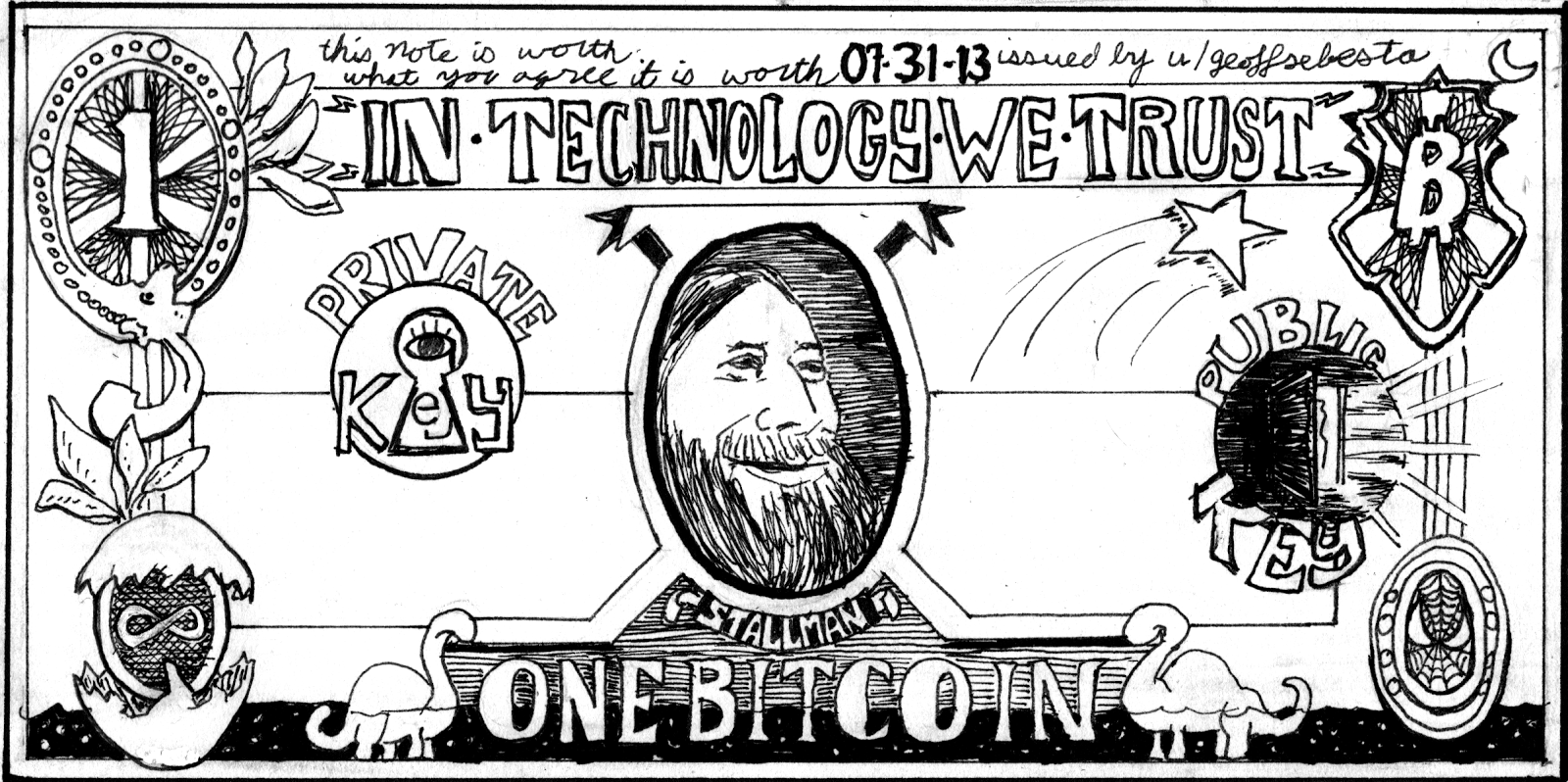
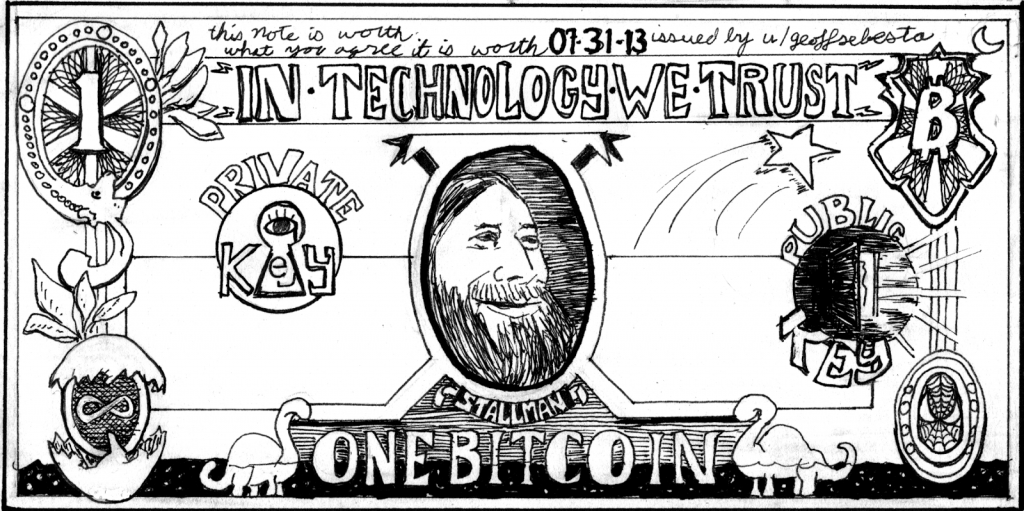
stallman dollar two

Which celebrities are getting into Bitcoin?

(TheCoinFront) Here in the Bitcoin world, we’ve built up our own celebrities. Figures like Andreas Antonopolous, Erik Voorhees, Stefan Molyneux, Brock Pierce, Charlie Shrem, and Gavin Andressen should, for better or worse, be familiar names to all Bitcoin aficionados.
But
there are many celebrities in the outside world as well who have begun
embracing Bitcoin and cryptocurrency. Here are just a few of them:

Ashton Kutcher

Kutcher may be best known for playing
simple-minded characters like Kelso from That 70’s Show or Jesse from
Dude Where’s My Car, but in reality he’s anything but.Through his fund, A-Grade Investments, he’s invested in companies like
BitPay, which allows merchants to accept Bitcoin payments. He’s also
invested in Skype, Airbnb, and Foursquare, among others.

Snoop Dogg

Snoop Dogg is an active internet user, with a
presence on Twitter with tens of thousands of tweets, and a Reddit
account with hundreds of thousands of karma points. In fact, on Reddit
he has even been made the moderator of the subreddit /r/trees, devoted
to, what else, pot.Last December, Snoop posted a tweet saying his new album
would be “available in bitcoin and delivered in a drone”. Coinbase
noticed the tweet and responded that “we could make the Bitcoin part a
reality for you.” While Snoop said he wanted “to make it happen,” it
never materialized.

Richard Sherman

Sherman, the cornerback for the Seattle Seahawks
football team, has an online store on his website. At the beginning of
January, he posted the following on his Facebook page:”For all you techies out there, I’m now accepting Bitcoins at my online
store http://store.richardsherman25.com. I hear it’s the currency of the
future.”

Peter Thiel

Peter Thiel might not be a celebrity in the same light as the above people, but he’s a major player in the world nonetheless.The cofounder of Paypal has been a believer in the decentralization of
money for much longer than Bitcoin has been around, and has openly
admitted he thinks Bitcoin has the power to change the world.

Richard Branson

The well-known billionaire head of Virgin Inc
began accepting Bitcoin as payment for his Virgin Galactic service, a
space tourism company.He has also invested a significant amount of his personal wealth in
Bitcoin, which makes him one of the more high profile Bitcoin holders.

Open your free digital wallet here to store your cryptocurrencies in a safe place.

Satoshi

Remittance Relief: Bitcoin can act as more than just a payment transfer system.

“[Bitcoin] produces a market that’s international, that everyone has access to, regardless of race, religion, creed…” – Amir Taaki
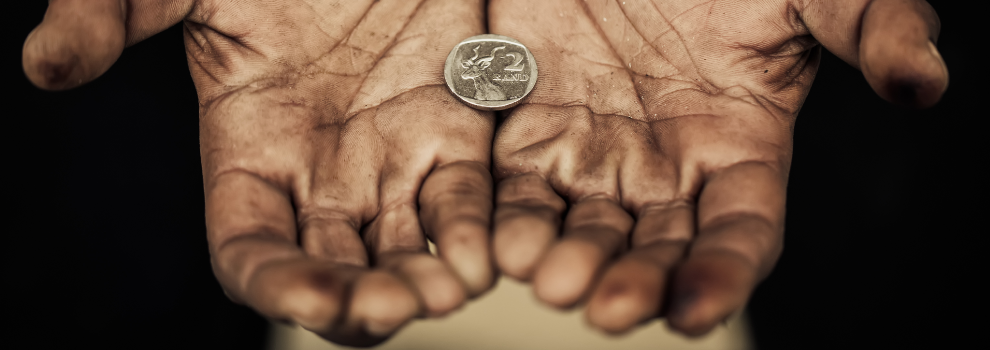
(BitcoinMagazine) There is a lot of talk recently of the power Bitcoin has in changing
the remittance market.  A remittance is a transfer of wealth from one
person to another, mostly amongst the world’s poor. Zach Ramsay of
Canadian-based CoinCulture calls remittances “peer2peer for the poor2poor.” It’s an astute observation.

It should be stated that this wealth transfer – remittance market – is cited as vital, critical, and an economic lifeline for
those receiving the money.  The demand does not just exist, it is
desperately needed. Currently, remittances account for the second
largest amount of wealth transfer from the ‘West’ to the underdeveloped
world, second to International Aid.
I don’t want to go into the background and frustration with the
current remittance system. It will surely take up pages and pages and
come out in the form of an anti-banking and anti-Western-imposed
“development” rant.  The fact of the matter is: fees that are applied to
money that cannot be made in x country, that then needs to be made in y country and sent back to x country for x population to survive should be lower.  And now, with bitcoin, they are.  Moving forward is all that matters now.
It is said that remittance fees are as high as they are because of
compliance and regulation requirements. Perhaps we can also attribute
some costs to the high risk involved in operating in sub-Saharan
countries.  However, the sheer fact of the matter is the current monopoly and lack of competition in the market for cross-border payments is also a reason for the high fees.
The highest costs occur when transferring money to and between sub-Saharan African countries.  Let’s take the East African nation of Uganda as an example. Fees on money transfers into Uganda range from 10% to as high as 40%.
How does Bitcoin fit in here? Well, for those who are not up-to-speed
on the technology, Bitcoin enables instant transfer of monetary value
over the internet in any amount, to anyone, anywhere in the world, at
any time.  This peer-to-peer transfer of wealth saves time and money;
MoneyGram and Western Union take on average 2 days to get money to the
receiver and require a high percentage of that money as payment for this
service.
Ronald, a student in Kampala, Uganda, is a great example
of the opportunity bitcoin presents in changing the expensive and truly
outdated remittance market.  Ronald receives money from his U.S.-based
family to live on while he studies.  One day, his U.-S.-based family
decides to experiment with bitcoin.  His family types out instructions
to Ronald via a Facebook message and Ronald follows them, downloading
the required software to accept the bitcoin transfer, and the money
arrives in his bitcoin account (a “wallet.”)
Now, Ronald must find a buyer for his bitcoin.  He goes into
Kampala’s city centre and meets with a buyer, who gives him Ugandan
Shillings in return for the bitcoin.  The process is quicker than
Western Union and MoneyGram, and costs significantly less (the mining
fee paid by his family back home.) It works! Watch the video here.
Bankers and Western Union/MoneyGram dislike this reality. Bitcoin is
competition.  It pushes them out of their cozy position, causing them to
rethink their entire existence as a business.  But it is a reality.
Bitcoin is working.  Perhaps the demand isn’t fully there yet across
all countries.  But it will be.  And it will replace these archaic money
transfer businesses and processes.
andreas
Antonopoulos telling it like it is.
The reality is that, despite us constantly using the continent in
reference to the underdeveloped world, Africa is very advanced when it
comes to transferring money online.  Fellow Bitcoin Magazine
contributor, Brian Cohen,
says,  “more people have access to mobile phones than working toilets.”
Parts of the continent simply skipped past the rest of the world and
went straight to using their phonesfor low-cost banking. Over 1/3 of
Kenyans can now buy and sell virtual currencies by using a bitcoin
wallet called Kipochi within their robust money transfer system, M-Pesa. To date,approximately 14.5 million Kenyans and 5 million Tanzanians have signed up for the service. #SorrynotsorryCGAP


Bitcoin can act as more than just a payment transfer system.  It can
also hold value.  Uganda “loves to take money from the poor.”  The
country’s current inflation rate is 6-7%; if Ronald’s money isn’t used
or put to work in a vehicle that earns as much as that, his money is
disappearing.  Furthermore, if Ronald allows his money to sit in a basic
bank account, it will be “gone in 5 months” due to the high fees
associated with banking.  Bitcoin can be used as a store of value.
However, it must be noted that it could also potentially lose money for
Ronald… but it’s not guaranteed to lose money and there are no fees
associated with holding it.


Furthermore, bitcoin also acts as a way for families to send small
amounts of money to each other.  Never before in the history of the
world have we been able to send tiny amounts of money to each other over
the internet! Now, Ronald’s family can send him $10 dollars if they
want.  Or money for a meal.  It really is incredible.
A lot of our energy is also going to the talk of the need for regulation with bitcoin businesses.  Andrew Brown of Earthport notes
that, after regulation and compliance costs are implemented on the
bitcoin platform, no “apparent advantage [for bitcoin] will be left.”
The goal here is not to make Bit-Western Unions, where the
cost-savings of the technology cannot be realized. The goal here is to
empower and educate people so they can help themselves and each other.
With Ronald’s example, we can see that this is already happening.
We have all the tools at our disposal. People can educate themselves
anywhere and at any time using the Internet.  The world is shifting into
enlightenment and we are finally evolving out of these old institutions
and laggy systems.  The key to this shift is empowering individuals via
access to information and technology.  We will create and sustain this
shift by keeping power diffused and decentralized. The answer is not to
build remittance businesses on top of bitcoin, but, if anything, to
build information businesses that can explain and teach people all
around the world on exactly how to tap into this technology and use it
for their benefit.
M-Pesa started out of modest beginnings, and now Kenya operates at a
more sophisticated level of money transfer than countries like Canada
and the United States. Perhaps it’s time for us to catch up and join
East Africa and learn from some of the trails they are blazing with this
technology.
Not so dark a continent after all, eh?
Image from Nolte Lourens @ shutterstock
Open your free digital wallet here to store your cryptocurrencies in a safe place.

Satoshi
Arthur Chapman 3

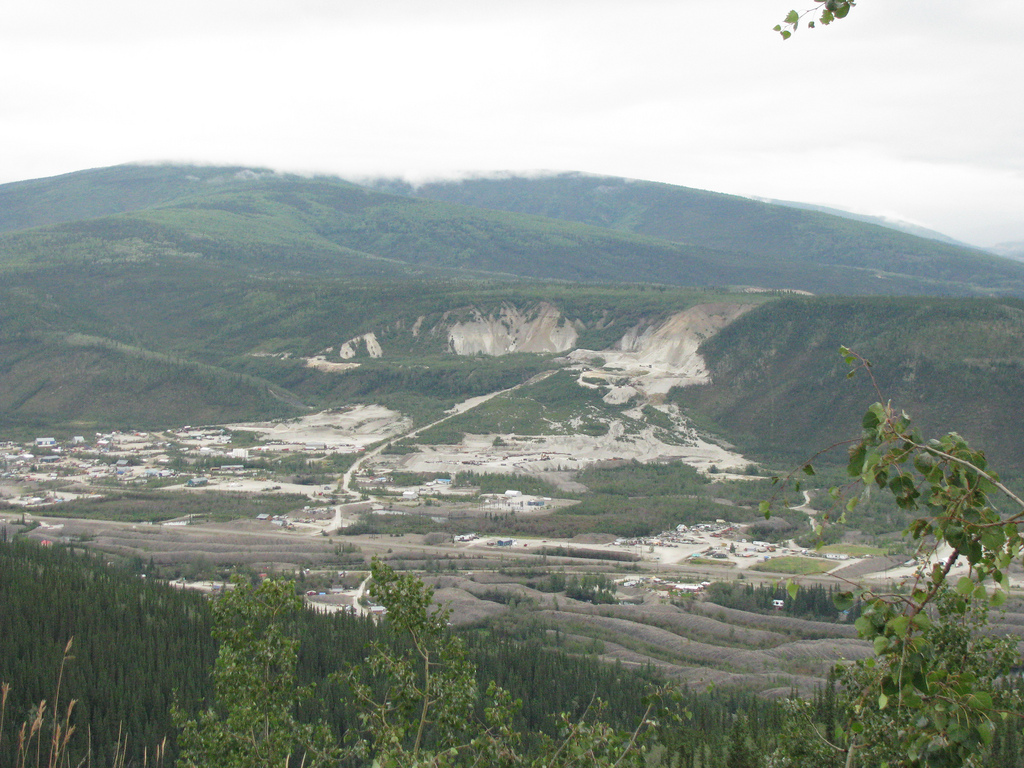
Seller seeks $2 Million in Bitcoin for real Yukon gold mine

yukon gold mine

(CoinDesk) The unnamed parent company of a Yukon, Canada, gold mine is now for
sale on high-end bitcoin-only marketplace BitPremier for an asking price
of $2 million in BTC.

The listing indicates that the more than 3,000 BTC
price tag includes the gold mine itself and all its associated assets,
including $1 million worth of actual mining equipment, the rights to one
mining property and the lease agreement to another mining lot.
The ad suggests that the purchase could be a profitable one for the buyer as well, stating:

“Any new buyer could recoup their initial investment in as little as two mining seasons.”

The
listing indicates that the company earns $1m annually in sales and has
the potential to produce 3,000 to 4,000 ounces of gold per year.
In
a bid to encourage more novice bidders, the current owner further said
he is willing to stay on to manage the property for up to five years to
ensure the operation runs smoothly.

Record-setting sale

The listing is just one of the many high-end items that have been listed on BitPremier’s website since it launched in May 2013, but if completed, it would be the largest facilitated by the e-commerce company to date.
The most expensive purchase on the platform was completed in March, when a villa in Bali, Indonesia sold for $500,000 in what was believed to be the single largest bitcoin purchase ever.
If completed, the $2m gold mine sale would surpass this figure, potentially setting two new records in the process.

Bitcoin meets gold

Notable
for its size, the gold mine listing is also indicative of how bitcoin
has become more widely accepted in the precious metals community.
Earlier this year, Bitcoin Bullion launched a gold-to-BTC exchange, while financial personality Peter Schiff announced in May that his gold and silver outlet Euro Pacific Precious Metals would begin accepting bitcoin due to market demand.
For more on how bitcoin bullion dealers are looking to expand their services into new and potentially lucrative markets, read our most recent report.

Open your free digital wallet here to store your cryptocurrencies in a safe place.

Satoshi
bitcoin2 1

Bitcoin’s real value lies in the disruption it promises

The cryptocurrency has been grabbing attention for its scope to revolutionise our financial system. About time, we took a broader view of it.
bitcoin matrix
Bitcoin has been the focus of media and regulators globally, for the simple fact that its decentralised nature and disruptive impact upon the financial infrastructure of the world brings tremendous changes to established conventions. Power is shifted away from financial institutions and distributed across a vast network of peers that acts as a consensus engine.
This democratises the very nature of the financial system, reducing the power of the oligopolies that control the financial system. However, the true potential of Bitcoin lies not in the ability to disrupt the financial ecosystem, but that of the Bitcoin protocol.
Bitcoin is more than just an encrypted digital payment method. Bitcoin is based around a public ledger system – the blockchain — which uses cryptography to validate transactions. Bitcoin users control access to their Bitcoin wallets through a system of public and private keys. As such, Bitcoin is an open source peer-to-peer (P2P) channel that doesn’t compromise privacy and security.
Also Read: What is Bitcoin?
Payment applications of Bitcoin have been evaluated in-depth, remittances, micropayments, and donations being among the financial transactions focussed upon. The Bitcoin protocol conceptually disrupts systems reliant on networks of intermediaries and agents for validation and trust. Two sectors subject to this are asset transferrals and contracts. Practically any system requiring validated transactions and using intermediaries to vet them are vulnerable to this.
Asset transferrals
The Bitcoin protocol, or any conceptually similar protocol,  potentially simplify asset transfers. Most asset transfers require significant energy to execute. This is because of due diligence and compliance requirements, as well as vetting and validation by various parties. Purchasing cars, boats or houses from individual sellers often requires intermediaries performing due diligence and maintaining compliance with legal requirements.
A blockchain alters this by qualifying how Bitcoins or equivalent digital tokens represent tangible assets. Bitcoin entrepreneurs at firms like Colored Coin are developing methods using Bitcoin fractions to symbolise physical objects. This digital fraction can then publicly identify and denote asset ownership, optionally including records of past ownership, transactions and other relevant data.
For example, if purchasing real estate, new owners could verify renovation(s), prior ownership and inspections by reference to the blockchain. If buying a user vehicle, owners could refer to the blockchain for insurance details and other relevant data assigned to it. Ownership could be transferred and titles validated on-site. This would have repercussions for industries reliant on networks of intermediaries to facilitate and validate transactions.
Blockchain approaches create efficient and simple mechanism enabling administrative simplicity and elegant functionality — allowing direct asset transfers without using brokers, lawyers, notaries or other intermediaries to vet, validate and verify transactions. The details of the transaction are locked into the blockchain and available to the public for review at their discretion.
Contract implementation
Bitcoin protocols impact the structuring and implementation of contracts, bringing greater economic efficiency and legal transparency to otherwise opaque practices in specific markets. Lawyers draft contracts on a case-by-case basis, with significant energy devoted to the process: negotiation, development and enforcement.
Contract-based markets often lack transparency and maintain a level of opacity, with a power inequality problem between contract holders and signers, reducing market efficiency and potentially creating distribution and justice problems in such markets. Traditional contracts are replaced by software code instead, which executes when triggered by specific conditions.
For example, options could be developed to execute trades over the blockchain at a specified time or in reaction to financial markets reaching specific conditions.
One benefit is reducing legal fees, as these contracts could be standardised and distributed as open source templates. Financial markets would become transparent, as regulators and analysts could access the blockchain, without forcing the disclosure of specific positions.
Ventures like Ethereum are developing these capabilities today. Ethereum is in the process of developing a network serving as a registry and escrow. This network will execute contract conditions automatically, if and when they fulfill a rule set.
Rather than forking Bitcoin in an attempt to tailor it towards specific industries or applications, Ethereum is designed as a separate and alternative cryptocurrency network that resolves issues with Bitcoin’s scalability and efficiency. Ethereum contracts are  modelled as autonomous agents simulated by the blockchain. Each contract has an internal script, with scripting code activated when a transaction occurs.
Proof of Existence has created a similar system to certify and validate documents. Using the blockchain, it provides online, distributed proof for documents secured using a cryptographic digest of the file, but not the file or information itself. This is time-stamped and certifies the existence of the document in a public ledger, using a decentralised certification based on the Bitcoin network.
Property and contracts are just some areas that the P2P nature of the Bitcoin protocol will affect. Achieving wider adoption requires Bitcoin and its advocates to address significant questions and concerns regarding trust, ease-of-use and functionality. However, the Bitcoin community is showing remarkable adaptability, with many working to ameliorate problems and educate the public.

There will be significant innovation and development centred around the Bitcoin ecosystem in the years to come. Much of this will initially revolve around payments, investments and financial systems. Its real value, though, lies in the decentralisation and disruption it promises.

Open your free digital wallet here to store your cryptocurrencies in a safe place.

Satoshi
1297565813985 ORIGINAL

Canada is second most popular country for bitcoin investment

Canada is the second most popular destination for capital investment in bitcoin companies, a Montreal think-tank says.

(TorontoSun) Some $10.5 million of venture capital has been invested in bitcoin in
Canada, putting us behind the U.S. and just ahead of China, the
Montreal Economic Institute says.

Bitcoin, digital currency created in 2009, allows people to make transactions anonymously without going through a central bank.
But the currency’s association with money laundering and its lack of
government regulation puts its growth and development at risk in Canada,
the think-tank warned.
“In order for it to develop its potential and be adopted by a growing
number of users, clear rules are required, along with some kind of
governmental acceptance,” study author David Descoteaux said in a
statement.
Descoteaux said Canada should create legislation to facilitate interaction between Canadian banks and bitcoin companies.
Banks are wary of offering services to bitcoin companies for fear of running afoul of money laundering laws, he said.
For example, Cointrader, which launched the first bitcoin ATM in
Montreal, alleges the Bank of Montreal shut down its account and those
of other businesses that trade in bitcoin.
These kinds of stories send companies — which may be on the forefront
of currency innovation — elsewhere to set up shop, the think-tank said.
Germany, for example, has bitcoin legislation and tax policy.
“These clear rules, as well as a tax treatment that allows bitcoin to
be used as a currency, explain why the digital currency is popular in
Germany and why this country was one of the first bitcoin hubs,”
Descoteaux said.
“Canada has so far been quite welcoming to bitcoin, and in clarifying
its own regulatory framework, it should ensure that it remains so.”

Open your free digital wallet here to store your cryptocurrencies in a safe place.

Satoshi
Warsaw ATM boxed

Poland gets first Bitcoin ATM with 30 more planned

(CoinDesk) Poland’s digital currency scene continues its rapid expansion with
the country’s first bitcoin ATM freshly launched in the capital Warsaw
and many more soon to follow, according to the operators.
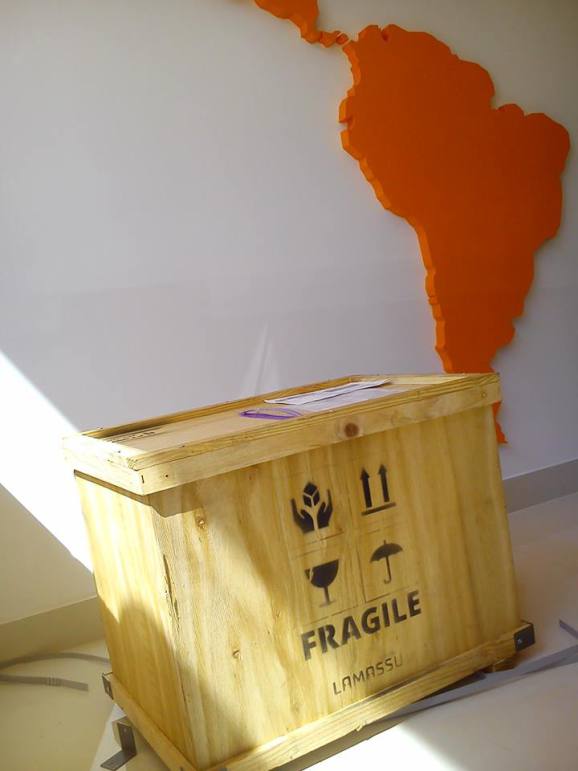
Located at Bitcoin Embassy Warsaw, which opened this May, the new machine is manufactured by Lamassu and works in partnership with bitcoin exchange Bitstamp.
The Bitcoin Embassy was
set up to act as a hub for the Warsaw’s rapidly expanding bitcoin
scene, Piotr Hetzig, the company’s chief executive, told CoinDesk.
Launching the bitcoin ATM in the heart of Warsaw was aimed to boost the
visibility of the cryptocurrency in Poland, he explained.
However,
the company’s plans go even further than that. A second ATM is to be
made available shortly in the Polish capital, with a network of bitcoin
vending machines eventually to be rolled out across the country.
“By
the end of this year, as many as 30 bitcoin ATMs enabling [people] to
purchase and sell bitcoins are expected to appear in various parts of
Poland,” the operator said.
Bitcoin Embassy Warsaw aims to offer a
wide range of services tailored for bitcoin enthusiasts, as well as for
those who want to make their first step in the world of digital
currencies, according to Hetzig.
These will include training
sessions, consultancy services, meetings and events, as well as sales of
hardware for bitcoin mining. Initiatives to raise public awareness of
the cryptocurrency are also planned.


The
new Lamassu ATM is now open for business and can be found at Bitcoin
Embassy Warsaw on 46 Krucza street. Opening hours are currently Monday
to Friday, 10am to 6pm, but may become available 24/7 in the near
future.

Denmark gets its first bitcoin ATM

Meanwhile, the first publicly available bitcoin ATM in Denmark has been launched at Irish pub The Dubliner, located on Copenhagen’s famous ‘walking street’. Also a Lamassu machine, the ATM accepts Danish krone and is operated by local bitcoin broker Sirius Money. Thorkil Værge, founder and chief executive of the company, said ”Denmark is one the countries where bitcoin is the least regulated. The financial authorities have stated that [anti-money laundering and know your customer] laws do not apply to bitcoin, and that bitcoin is […] considered a private non-taxable asset”. As a result, “earnings on bitcoins bought in Denmark are not taxed. On the flip side, losses are not tax deductible”, he explained, adding:

“The Dubliner is an excellent place to [site] a bitcoin ATM, since they have a
lot of customers and long opening hours. The pub is also located very
centrally near the Stork Fountain, which is the center of Copenhagen’s
shopping district.”

Værge further indicated that the company is in the process of opening a subsidiary in the Spanish market, to be called Sirius Iberia.

Bitcoin centre and ATM launch in Prague

In another example of the cryptocurrency’s increasing popularity in Central Europe, a bitcoin centre launched in Prague, Czech Republic, on 28th May
The centre, which has already launched a two-way Robocoin ATM for its customers, was opened in the Czech capital’s Smíchov district, according to The Prague Post.
The establishment is operated by local bitcoin business wBTCb.cz,
and was set up to provide face-to-face services for those unfamiliar
with digital currencies, as well as consulting services to registered
clients.
The firm says it wants to become one of the main traders
in the country’s digital currency market, with workshops and seminars
designed to increase bitcoin’s visibility in the Czech Republic.
Martin Stránský, the company’s owner, ordered three bitcoin ATMs from US manufacturer Robocoin Technologies in December 2013 under a contract worth some 1,500,000 CZK ($74,200).
The
centre is located on the corner of Arbesovo náměstí and Elišky Peškové
street, with the Robocoin ATM available from Monday to Friday, 10am to
7pm, with a single transaction limit set at 25,000 CZK ($1,200).

Open your free digital wallet here to store your cryptocurrencies in a safe place.

Satoshi
nyccenter bitcoin art

NYC Bitcoin Center gives Bitcoin a touch of class

(CoinTelegraph) NYC Bitcoin Center is
fast becoming a mecca for hip Bitcoin-related events with the launch of a
contemporary art exhibition by Jenna Lash this week.

Further to its innovatively sponsored music
festival
, the center is
branching out to an ever more diverse demographic of Bitcoin followers, and
continuing to attract some noteworthy names.
Contemporary
pointillist painter Lash has an international following for her work, and a
selection of those indexed under her Monetary Series collection will be
displayed in New York until September.

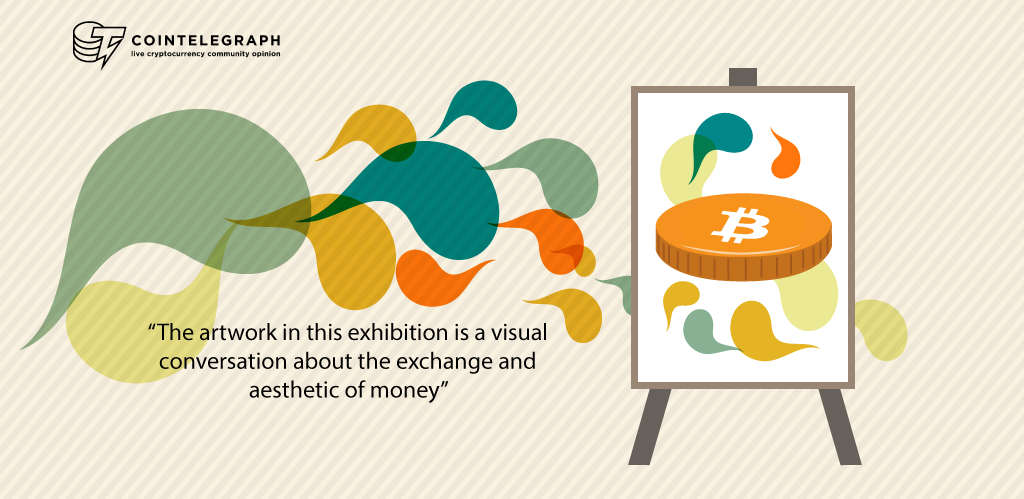
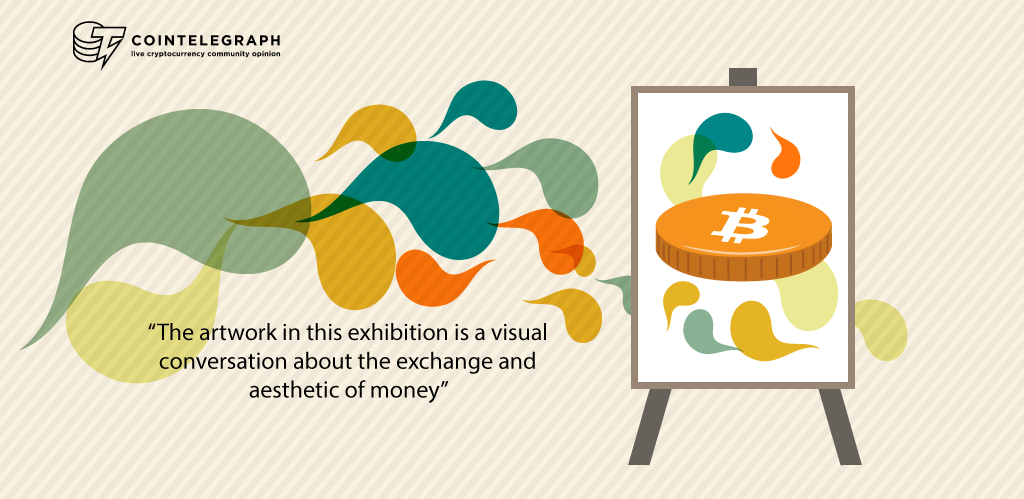
“The artwork in this exhibition is a visual
conversation about the exchange and aesthetic of money,”
she said in a press release about the event, “The highly-charged images of currency and
how they represent personal values that become public values are the focus of
this exhibit.”

Mirroring opinion

“Highly-charged” indeed, as the Bitcoin community is making
ever more significant waves in modern opinion of traditional currency and the
structures surrounding it. “Money is an abstract concept based on
faith,”
Lash continues, “…Will we continue to need vaults, gold, soldiers,
and insurers to protect that faith?  Or will virtual currency be our
saving grace?”

The works themselves,
which “run the gamut of U.S. military
scrip, a U.S. silver certificate incorporating a Native American portrait, the Australian
Dollar, the Chinese Yuan, and two British Pound Notes, to highlight only a
few,”
are hardly understated, some measuring up to 48 inches by 60 inches
(122 centimeters by 152 centimeters).
Center founder Nick
Spanos said he was excited about hosting the event, as Lash and her husband had
been regular visitors in the past. We intend to give
the exhibition of these paintings the attention, care, and seriousness that the
works themselves demand,”
he continued.
The exhibition will be marked by a
launch party tomorrow (May 29), and while not offering free energy drinks or
featuring sponsorship by the New York Museum of Sex as was the case with the
center’s music festival, it will provide a less business-oriented environment
for Bitcoin and cryptocurrency education to be spread.
More information about
the exhibition can be found here.

Open your free digital wallet here to store your cryptocurrencies in a safe place.

Satoshi
gps

Twenty mind-bending secrets about Bitcoin

(BitcoinMagazine) This article will introduce some of bitcoin’s Mind-Bending amazing
abilities only few people know. As you read this list, remember your
favorite so can impress your friends with your new
incredible bitcoin knowledge.

1.  Fun with programmable money

  • Bitcoin wallets are like personal debit cards that you can create
    and assign yourself to store your bitcoin. Some new wallet versions can
    be programmed with bizarre abilities.
  • You can program features like GPS coordinates on your phone that make the money unavailable off if your kid leaves the city.
  • You can also create “treasure hunts” where coins will suddenly be
    released for you to use if you find yourself in the right place at the
    right time.
  • You may also release money by calendar dates –  gifting bitcoin
    money that can’t be used until their 18th birthday or Christmas. Or set
    up a will that releases amounts in intervals long after your death.
  • Huge potential for ideas not yet imagined.

2.    First purchase with bitcoin

  • Bitcoin’s price wasn’t established by a committee, government, or special council.
  • Florida resident Laszo Hanyez may go down in history for buying the
    most expensive pizza ever recorded. He also makes history for making the
    first significant purchase using bitcoin.
  • His 10,000 bitcoins used in June of 2010 bought two Papa John’s Pizzas worth about $30 at that time.
  • Today’s equivalent price is about $5 million.
  • For the first 18 months they were worthless. The pizza purchase was
    the event that set the price of bitcoin at about a third of one penny
    each.
  • Within weeks, they were being bought and sold for 8 cents, representing a price increase of over 1,000%.

3.   Bitcoins to billions

  • In 2013 the price of a single bitcoin went from $13 to over $1,000 for an increase over 7,000%.
  • At that rate, the owner of one bitcoin today would be a millionaire in two years.
  • And would become a billionaire only 18 months after that.

4.   Bitcoin is not alone

  • Thousands of other digital currencies have since been created once bitcoin became popular.
  • Litecoin, Peercoin, Dogecoin and many more can be purchased on various online exchanges.
  • Thousands of people buy altcoins, hoping the bitcoin lighting strikes twice.

 5.   World’s fastest supercomputer

  • The current computing power protecting the Bitcoin network is over
    6,000 times more powerful than the top 500 supercomputers of the world
    combined. And still growing faster.
  • Computer power is measured in “petaflops”. One petaflop is equal to one thousand trillion calculations per second.
  • Top 500 supercomputers combined can calculate 250 petaflops. (Indicated by the arrow on the graph below).
  • By comparison, the bitcoin network can calculate 883,000 petaflops.
  • It is roughly the equivalent in scale between eight sticks of butter verses the largest 15,000  pound African Elephant.

6.   The amazing bitcoin wallet

  • Before you buy bitcoin you can create your own personal bitcoin wallet before you fund it.
  • The number of possible wallet IDs that can be created are roughly the same amount as atoms on the earth.
  • You can create as many as you want. They are free.
  • New wallets can be secured with two or more passwords.
  • You can also print your wallet to make a “Paper Wallet”  that allows you to store your bitcoin off-line.

7.    Spend bitcoin with smart phones for everyone

  • The $25 smartphone is on the way.
  • It is estimated that in 2014 there will be more cellphones than people on earth.
  • Many poor countries just skipped  land-line telephones and went straight to cellphones.
  • Where they don’t have electricity, they charge them daily using solar panels.
  • Most developing countries do not have access to banking – but the bank can come to them with bitcoin and a smartphone.
  • Sending digital cash has already proven to lift entire villages out of poverty.
  • This opens up their entire world from which to buy and sell items rather than just a few neighbors with cash on hand.

8.   Magic the Gathering and bitcoin

  • The first big online bitcoin exchange was Mt. Gox. It got its start and name by trading playing cards for “Magic The Gathering Online EXchange.
  • They once accounted for over 80% of all Bitcoin trades.
  • They started trading bitcoins when they were worth less than a dollar.
  • Unsurprisingly, when the world found out that bitcoins were worth a
    lot more than playing cards, the tiny company was overwhelmed.
  • More than half of all first generation Bitcoin exchanges have closed down.
  • Now big finance companies are creating their own exchanges in the US that are regulated and insured.

9.    Say goodbye to “Bitcoin” and hello to “Bits”

  • Currently, one full bitcoin is divisible down to eight decimal places.
  • The Bitcoin community has started referring the the sixth decimal point from a full bitcoin where they will be called “bits.”
  • Bits are part of bitcoins as pennies are to a dollar – except it would take a million of them to buy a full bitcoin.
  • Calling them “nano-dimes” sounded dumb.
  • Today one hundred dollars migh buy you .2 bitcoins. Or it can buy
    you 200,000 bits.  It’s the same amount, but which one makes you feel
    richer?
  • At some point, we might be able to sing that song (commonly played with hand- drums).  “Shave and a haircut..  2 BITS”

10.    Spy Vs Spy. Your bank in a microdot

  • Future Bitcoin billionaires can include their entire banking Bitcoin
    fortune – in a dot the size of a period. When you have access to any
    computer or phone with Internet connection you can simply type in your
    account number and password as needed.
  • Your account is all stored and available to you on the public ledger
    available anywhere in the world with an Internet connection.

 11.    Forget money laundering. Your activity is recorded

  • Every transaction is tracked the Bitcoin public ledger, recorded and
    shared around the world. The ledger cannot be changed and it’s
    continually reconciled, verified and protected by bitcoin’s world-wide
    network.
  • Every time a bitcoin trades hands, a trail of digital breadcrumbs follows it forever.
  • You may or may not allow people to know your personal wallet
    information, so your bitcoin account is as secret as you want it to be.
  • Once bitcoin passes through widely known wallet addresses, it may be
    traceable by super-secret organizations that may, or may not, rhyme
    with Em- essay.
  • Relax, if you aren’t doing any really, really bad – it’s probably
    not worth the trouble for anybody to track your every spend. Not one
    bit.

12.    Gambling once accounted for most transactions

  • The web gambling site “Satoshidice” once accounted for about half of bitcoin transactions.
  • Due to murky gambling laws in various jurisdictions, gaming on  Satoshidice is currently not allowed from US-based IP addresses.
  • Provably Fair (http://provablyfair.org/)
    is a website that  has risen to act as an independent probability odds
    checker for people to validate the odds of customer bets being
    mathematically fair for the computers running the gaming systems.
  • Many online casinos are having their computer programs independently and voluntarily certified.
  • Today bitcoin use is spread over several industries in addition to gambling.

13.    Watch people trade in their paper money

  • The website Fiat Leak shows a world map which allows you to see which country is exchanging their native currency for bitcoin in real-time.
  • The larger the coin floating up – the bigger the dollar amount.
  • The amounts all accumulate over a 10 minute period, which is the
    point that the ledger is reconciled and copied throughout the world for
    verification.
  • Once you go digital, you don’t go back.
  • Ask the tape recorder.

14.   It might become currency for poorly run countries

  • Total value of bitcoin measured in US Dollars has surpassed 100 national currencies out of 160.
  • Some are
    beginning to ask if it is possible to one day to scrap some smaller
    national currencies that continue to fail –  and use bitcoin instead.

15.      Bitcoin may be more important than the internet

  • Several hundred million dollars are projected to be invested into Bitcoin startups by large corporations in 2014.
  • Comparisons of importance are made by experts and scientists daily,
    who often talk about the importance of how this will change the world
    and often compare it with the invention of the Internet itself.
  • Marc Andreessen, who invented Mosaic, the first web browser, is one of many technical professionals who talk about Bitcoin and
    reminds him of how he and his friends changed the Internet and World
    Wide Web back in 1993 when it was still considered a techie geek
    technology.  As a reference point, most of the US was using the internet regularly just seven years later.

16.   Watch bitcoin network grow

  •  See the time-lapse representation of the bitcoin network build out as it assembles and grows together around the world.
  • It’s not much different than watching the progress of the early internet grow.

17.    Robbing money may become obsolete

  •  New digital wallets will require at least two signatures (passwords) or more to use.
  • This might include government’s robbery of its own citizens as many countries help themselves to one’s banking funds when they want.
  • One can require as many signature passwords as you like. Go nuts and
    require 51 signatures… Imagine the Senate being compelled to reach
    majority before spending your taxes locked in a public wallet.

18.    It can stop identity theft

  •   As making payments with bitcoin is the equivalent of cash, there is no banking information required from a retailer.
  • The hacker attack at Target, Neiman Marcus, and Michael’s (among a
    host of others) that stole users banking credit card information
    wouldn’t have happened if they had only accepted bitcoin payment.
  • Paying in bitcoin is not a promise to pay. It’s payment in full.

19.   No permission required

  •   Over half of the world have no banking account. They can’t get
    access to regular loans, credit or checking account. They can’t get
    permission from the creditors.
  • Bitcoin doesn’t require a bank account or credit report, and you
    don’t have to be of legal age for contracts. And they can buy and sell
    in a world-wide market for once. They didn’t need permission from the
    courts.
  • One doesn’t need to be a citizen, or have identification or forms to fill out to own it. It requires no government permission.
  • You are your own bank. No permission required.

 20.  Bitcoin the currency is only the beginning

  • The Bitcoin network and ledger has features that can also function
    as a way to store records of ownership, titles, copyrights and
    trademarks, home and car titles.
  • It can replace the function of a notary public.
  • All records are shared and distributed in a central location shared
    by the entire world copied on thousands of millions of computers.
  • As the Internet did to the publishing industry, Bitcoin could
    similarly disrupt several other fields or even render them obsolete.
  • Anybody’s job it is to move funds from one account to another may
    need to learn a job as those functions can now be programmed, automated
    and transparent.
  • Bitcoin 2.0 technologies and new start-up companies have already begun.


This list is only the start. Look into the amazing bitcoin and report
back your own found mind-benders in the comments section. Then play
bitcoin trivia with your friends – they may not believe you.

Open your free digital wallet here to store your cryptocurrencies in a safe place.

Satoshi
cointelegraph.com

The difficulty of getting Bitcoin to catch on in Italy

Italy’s
first Bitcoin ATM was a Lamassu machine, installed in Udine,
a northeastern city nestled between the Alps and the Adriatic
Sea.

(CoinTelegraph) That’s wine country, and you would need plenty of it to wash
down the stuffed gnocchi.
The machine’s owner, Luca Dordolo, is often nearby to assist
anyone who needs help using the machine (it’s located in the hall of his family’s business).
He’s even had the interface translated into the local Friulian language, as
well as Italian.
Dordolo’s vision is to create an Italian hub for Bitcoin, and
his next step at this point is to install more machines around the country.
Obstacles, both legal and cultural, are making this difficult,
though.

Legal Obstacles

First, Dordolo laments the “lack of relevant legislation” in Italy
regarding Bitcoin, forcing him to operate in a grey area with which many
Bitcoin entrepreneurs are familiar.
Before buying that first Lamassu ATM, Dordolo said he had a
pool of attorneys and legal experts advise him on what he could and could not
do. Italy,
they told him, does not regulate Bitcoin itself, nor are there any
know-your-customer regulations, but any transactions above 999.99 EUR need to
be reported.
So, that was the limit he set.
Here is what BitLegal says about Italian legislation:

“The use of electronic
currency is restricted to banks and electronic money institutions — that is,
private legal entities duly authorized and registered by the Central Bank of Italy.
Aside from these developments, Italy
does not regulate Bitcoin use by private individuals, and currently the
implementation of initiatives concerning the use of electronic currencies lies
with the EU.”

Dordolo is not confident Italian law will catch up with the
technology.

“Banca d’Italia is
studying the [Bitcoin] phenomenon, and perhaps — if they were fast — in 10-20
years we could have a law on it.”

Cultural Obstacles
Dealing with murky Italian laws is one thing. Dealing with
local perception is something else entirely, Dordolo said.

“In Italy, we are at the beginning of
Bitcoin’s spreading among the population. There is an interesting Bitcoin
community [in Italy],
but it is still very hard to explain to Italian people the real value that
Bitcoin creates in the economy and the job opportunities it creates.
This is because of
misinformation by the national media that actually regard it as a scam or worst
as associated with criminal deeds.
Even the local Bitcoin
Foundation is not as active as it should be, so whatever can move this
situation is welcome.”

Open your free digital wallet here to store your cryptocurrencies in a safe place.

Satoshi
dish network bitcoin1 251x260

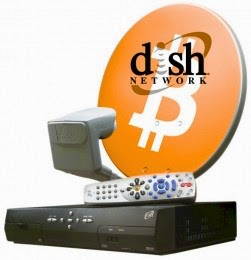
Satellite TV operator Dish Network to accept bitcoins!

Satellite TV operator Dish Network said it would accept bitcoin payments from customers from the third quarter, joining companies such as Overstock.com Inc and Zynga Inc in accepting the digital currency.

Dish said it selected Coinbase as the payment processor for bitcoin transactions with customers who choose to pay their bills online with the bitcoin wallet of their choice. Bitcoin is a digital currency that is not backed by any government or central bank and is bought and sold on a peer-to-peer network independent of central control.

In March, it launched its Instant Exchange feature, which will be used by Dish to convert bitcoins to U.S. dollars. Dish’s third quarter starts on July 1. While bitcoins may not be an alternative to established currencies, they can cut the cost of moving money around.

We always want to deliver choice and convenience for our customers and that includes the method they use to pay their bills,” Bernie Han, Dish’s executive vice president and chief operating officer, said in a statement. “Bitcoin is becoming a preferred way for some people to transact and we want to accommodate those individuals.

PricewaterhouseCoopers estimates that credit card companies charge around 3 percent in transaction fees and PayPal’s commission can go as high as 4 percent. The same transactions via bitcoin is likely to be free.

Image source: ElBitcoin

Open your free digital wallet here to store your cryptocurrencies in a safe place.

Satoshi