What exactly does the US government really think of Bitcoin?
(CoinDesk) With the US Senate setting 18th November as the start date for its committee hearings into bitcoin, it’s time to
take a look at some of the more significant events in bitcoin’s short but colorful legal history.
The early Bitcoin timeline featured hacks, heists, drugs, demands for refunds and the first appeals to law enforcement, but 2013 saw official scrutiny rise almost as quickly as bitcoin’s value.

Whether or not bitcoin requires, or should seek, regulatory approval is a major source of heated debate on bitcoin discussion forums, but the regulation issue will remain prominent as long as significant amounts of wealth are at stake.
FinCEN issued guidelines that bitcoin-related businesses counted as “Money Service Businesses” (MSBs) under US law.
This meant bitcoin businesses were now officially required to provide authorities with information about potentially suspicious transactions and introduce policies to prevent money laundering. These regulations also affect the more centralized virtual currencies and point systems used in social networks and online games, including Facebook and Second Life. Lack of a centralized authority meant bitcoin itself could not comply, but any business associated with its use would need to — including individual miners, if they converted their bitcoin to fiat currency.
In something of a rare public compliment for bitcoin from the world of traditional finance, François R. Velde, senior economist of the Federal Reserve in Chicago wrote a glowing paper titled “Bitcoin: A Primer” in which he wrote bitcoin was a “remarkable conceptual and technical achievement, which may well be used by existing financial institutions.” He further described bitcoin as an “elegant solution” to the digital currency problem and claimed its value derived from certain beliefs about the nature and function of money, and the amounts of fiat currencies traded for it.
Open your free digital wallet here to store your cryptocurrencies in a safe place.
Regulation Of Bitcoin – The European Bitcoin Convention — 2013 Amsterdam
Regulation Of Bitcoin at the European Bitcoin Convention
Wieske
Ebbe (Dutch Central Bank), Michael Maier (Fidor Bank), Niels Ploeger
(Amsterdam Police), Joerg Platzer (Crypto Economics Consulting Group)
& Casper Riekerk (Finnius Lawyers)
Recorded By IamSatoshi
Open your free digital wallet here to store your cryptocurrencies in a safe place.
US Homeland Security committee to explore bitcoin’s potential in 18th Nov hearing
Open your free digital wallet here to store your cryptocurrencies in a safe place.
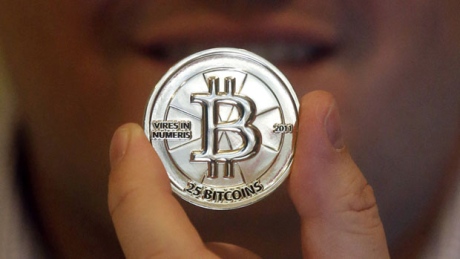
Canada has decided to reveal some of its plans for virtual currencies
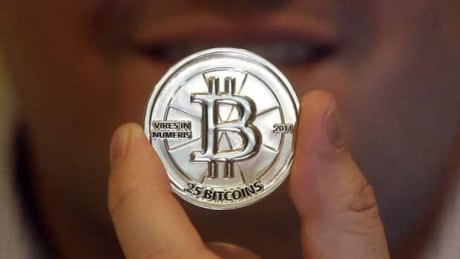
Open your free digital wallet here to store your cryptocurrencies in a safe place.
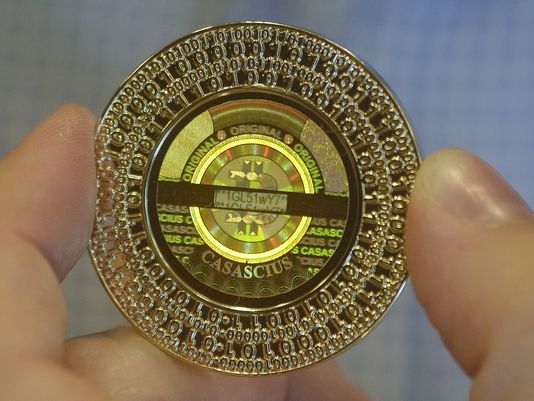
US federal election commission to allow Bitcoin donations to political campaigns
Because Bitcoins are neither the currency of any country nor negotiable instruments, Bitcoins are not ‘money’ under commission regulations. Therefore, a political committee that receives Bitcoin contributions may not treat them as monetary contributions.
Open your free digital wallet here to store your cryptocurrencies in a safe place.
Richard Brown, executive architect, IBM thinks the future for crypto-currencies looks very bright.
Bitcoin, the world’s first decentralised digital currency, entered mainstream consciousness this year: Bitcoin-focused startups are accessing venture capital and industry commentators talk about it as an important international payment mechanism of the future. But are we interpreting its significance too narrowly? In this video, Richard Brown, IBM Executive Architect for Banking and Financial Markets Industry Innovation, argues that Bitcoin’s true significance lies in its potential as a global digital asset register and in the lessons it teaches us for design of complex distributed systems. He also explains why recent law-enforcement action against operators of illegal websites that transacted in Bitcoin will help accelerate adoption by legitimate businesses.”
Open your free digital wallet here to store your cryptocurrencies in a safe place.
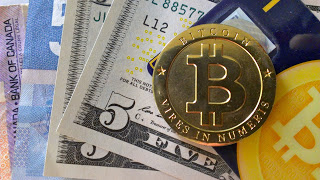
Federal Reserve economist says bitcoin is a remarkable technical achievement
(CoinDesk) A member of the United States Federal Reserve banking system has written an analysis of bitcoin, stating that there are many positive aspects to it.

Open your free digital wallet here to store your cryptocurrencies in a safe place.
BTC China to become the world’s No. 1 Bitcoin exchange!
(CoinDesk) BTC China has become the world’s biggest digital currency exchange having handled a greater volume of bitcoins in the past week than Mt. Gox and Bitstamp.
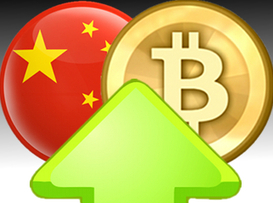 More than 109,841 bitcoins have been exchanged on the site in the past seven days, compared with 93,372 on Bitstamp and 76,673 on Mt. Gox, according to data from Bitcoinity.org. In the past 24 hours alone, BTC China has processed 36,104 bitcoins, compared with Mt. Gox’s 24,913 and Bitstamp’s 23,214.
Open your free digital wallet here to store your cryptocurrencies in a safe place.