Search Results For: japan
Japan’s ruling party says won’t regulate bitcoin for now
| A man walks past a building where Mt. Gox, a digital marketplace operator, is housed in Tokyo February 25, 2014. |
Open your free digital wallet here to store your cryptocurrencies in a safe place.

Japan to monitor Bitcoin rather than regulate it
(CoinReport) Japan’s involvement with bitcoin has taken a massive blow due to all of the negative press surrounding the Japanese failed bitcoin exchange, Mt. Gox. Since then, warnings of the risks involved with dealing in the digital currency have been spread throughout the world by regulators and critics alike.
Japan Will Monitor Bitcoin
However, rather than placing specific laws or regulations attached to how the country should be allowed to use bitcoin, it will just monitor it instead. On Tuesday, the Japanese government claimed that regulating bitcoin wasn’t under their jurisdiction. Sources say that Japan’s Ministry of Economy, Trade and Industry is devising a plan to make it easier to monitor illegal bitcoin activity. Prime Minister Shinzo Abe and his administration identify bitcoin as not being a form of currency. They do identify it as being an electronic payment method.
As most government officials and regulators do, Japan’s warn the public of bitcoin’s potential dangers, such as its uses in money laundering and drug trafficking.
Regulators Warn of Bitcoin
While Japan has no plans to enforce rules over bitcoin, other regulators feel that regulation over the digital currency is the only way for it to be safe enough for investors to get into. On the other hand, some feel bitcoin isn’t safe enough to implement into our economy, but for those that want in, they should do their homework first. Indiana Secretary of State, Connie Lawson claims that:
“The value of virtual currencies is highly volatile, and the concept behind the currency is difficult to understand even for sophisticated financial experts.”
Though this may be true in some cases, that doesn’t mean people can’t figure it out for themselves. Bitcoin was foreign to every enthusiast at one point in time. Like with all new concepts and innovations, time is needed to get acquainted with the technology. Once upon a time, even the Internet sounded dangerous and ludicrous idea. Regulators, whether in Japan or the U.S., need to stop putting fear in people and let bitcoin have an organic chance at success.
Open your free digital wallet here to store your cryptocurrencies in a safe place.
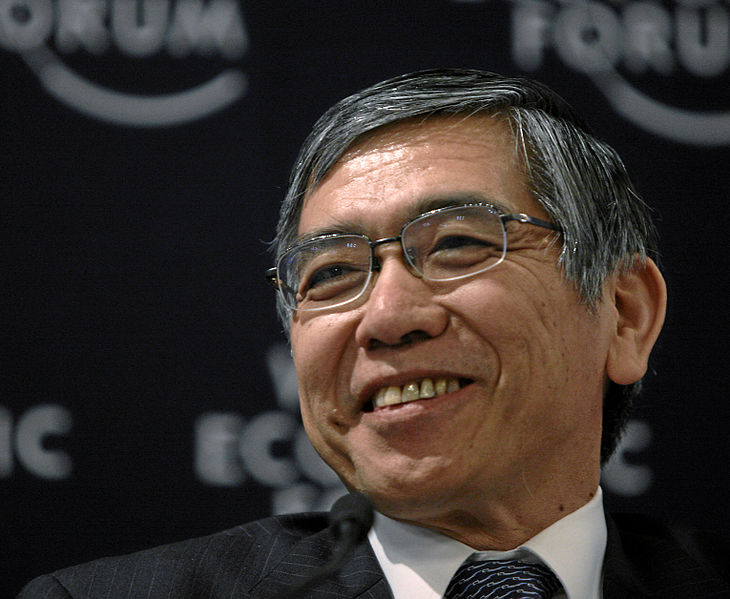
Governor says Bank of Japan is “very interested” in cryptocurrency
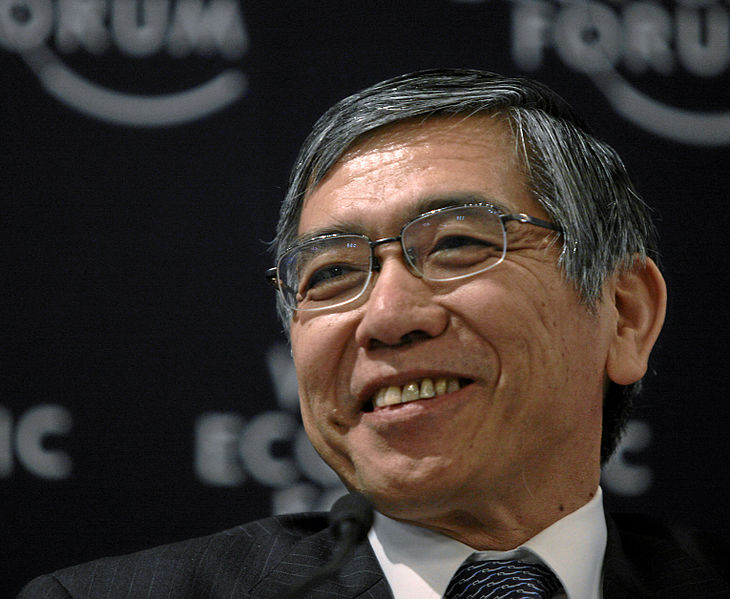 (BitcoinExaminer) The governor of the Bank of Japan recently said that the institution is “very interested” in Bitcoin. Haruhiko Kuroda talked about cryptocurrency during a news conference, according to the site Jiji Press.
Open your free digital wallet here to store your cryptocurrencies in a safe place.
Understanding Bitcoin-Backed Loans
Bitcoin has transitioned from a niche digital currency to a pivotal asset in modern finance. Its increasing recognition as a store of value has spurred innovative financial solutions, particularly loans secured by Bitcoin collateral. These loans enable individuals and businesses to access liquidity without liquidating their Bitcoin holdings, creating a bridge between traditional banking and the decentralized cryptocurrency ecosystem. By capitalizing on Bitcoin’s liquidity and global reach, these loans provide a dynamic alternative to conventional lending structures.
How Bitcoin-Backed Loans Work
The structure of Bitcoin-backed loans is intuitive yet sophisticated. Borrowers pledge Bitcoin as collateral to obtain a loan, typically issued in fiat currency or stablecoins such as USDC. The process starts with depositing Bitcoin into a platform’s wallet, where the loan amount is determined based on the collateral’s market value. Upon loan repayment, including principal and interest, the borrower retrieves their Bitcoin. This setup ensures lenders hold a secure asset to offset defaults, while borrowers maintain exposure to Bitcoin’s potential price growth.
Several technical elements define these loans. The Loan-to-Value (LTV) ratio, often between 40% and 70%, dictates the loan size relative to the collateral’s value. A lower LTV minimizes lender risk but reduces borrowing power. The Annual Percentage Rate (APR) encompasses the full borrowing cost, including interest and fees. Significant drops in Bitcoin’s price may prompt a margin call, requiring additional collateral or partial repayment to stabilize the LTV. Non-compliance risks liquidation, where the platform sells the Bitcoin to recover the loan.
Custodial and Non-Custodial Platforms
Bitcoin lending platforms differ in collateral management. Custodial platforms, like Nexo or Ledn, control the borrower’s Bitcoin and private keys, functioning similarly to banks. This centralized model prioritizes ease of use but demands trust in the platform’s security. Non-custodial platforms utilize multi-signature wallets, allowing borrowers to retain partial key control. This decentralized approach aligns with Bitcoin’s philosophy of self-sovereignty but may involve technical complexity.
Choosing between custodial and non-custodial platforms hinges on user preferences. Custodial services simplify the experience, appealing to beginners, while non-custodial platforms attract those valuing autonomy and security. Both are gaining traction, with platforms like Bit2Me offering loans up to €1 million, accepting Bitcoin and Ethereum collateral at LTVs around 50%.
Benefits and Challenges
Bitcoin-backed loans present compelling benefits. Unlike traditional collateral such as property, Bitcoin’s high liquidity facilitates swift liquidation, lowering lender risk and expediting loan approvals. Borrowers can access funds without selling Bitcoin, preserving their stake in a potentially appreciating asset. Platforms like Bit2Me often skip conventional credit checks, expanding access to financing.
Yet, significant risks persist. Bitcoin’s price volatility can lead to margin calls or liquidation during market slumps, risking collateral loss. Custodial platforms introduce counterparty risks, as users rely on the platform’s integrity. Regulatory ambiguity also poses challenges, with regions like the European Union implementing stricter crypto rules, such as anti-money laundering measures, potentially affecting lending platforms by 2027.
The Future of Bitcoin Lending
Bitcoin-backed loans highlight the merging of decentralized and traditional finance. Growing institutional interest, such as Japan’s GPIF exploring Bitcoin investments, suggests these loans could spawn new financial tools. Platforms are innovating, integrating technologies like the Lightning Network for faster transactions or offering stablecoin loans to counter volatility. However, regulatory and security hurdles must be addressed to ensure sustainable growth.
Bitcoin-backed loans are reshaping financial access, allowing users to harness their crypto assets in a volatile market. As the sector evolves, these loans may redefine lending paradigms, positioning Bitcoin as a cornerstone of global finance.
Open your free digital wallet here to store your cryptocurrencies in a safe place.

Institutional Updates in Cryptocurrency: A New Era of Adoption and Regulation
As of April 6, 2025, the cryptocurrency landscape is undergoing a seismic shift, driven by unprecedented institutional involvement and regulatory developments. The past week alone has spotlighted key players like Circle, Binance, Grayscale, and even state-level initiatives in the U.S., signaling a maturing market that’s increasingly intertwined with traditional finance. This article dives into the latest institutional updates, offering a detailed look at how these moves are reshaping the crypto ecosystem.
Circle’s IPO Filing: Stablecoins Take Center Stage
Circle, the issuer of the USD Coin (USDC), made waves this week by filing its initial public offering (IPO) prospectus with the U.S. Securities and Exchange Commission (SEC) on April 2, 2025. This move comes as stablecoin legislation gains traction in the U.S. House, reflecting a broader push for regulatory clarity. Circle’s S-1 disclosure revealed a robust business model, with revenue heavily tied to USDC’s transaction volume and partnerships with exchanges like Coinbase and Binance. The filing underscores stablecoins’ growing role as a bridge between crypto and fiat systems, with USDC’s market cap hovering around $34 billion. Analysts see this IPO as a litmus test for institutional confidence in regulated digital assets, especially as Circle aims to capitalize on a market projected to exceed $3 trillion by year-end. The timing aligns with a favorable shift in U.S. policy, potentially boosting Circle’s valuation and setting a precedent for other stablecoin issuers like Tether (USDT).
Binance’s USDT Delisting in Europe: Regulatory Ripples
On the regulatory front, Binance, the world’s largest crypto exchange, announced this week that it will delist Tether’s USDT in Europe, effective later in 2025. This decision stems from mounting pressure under the European Union’s Markets in Crypto-Assets (MiCA) framework, which demands stricter compliance for stablecoin issuers. Binance’s move reflects a strategic pivot to prioritize regulatory alignment, even at the cost of alienating some users. USDT, with a market cap exceeding $110 billion, has long dominated stablecoin trading, but its opacity around reserves has drawn scrutiny. Binance’s reserves, which dropped by $25 million in USDT in January despite a $2.6 billion rise in user balances, highlight the exchange’s efforts to balance liquidity and compliance. This shift could accelerate the adoption of alternatives like USDC or even regional stablecoins, reshaping trading dynamics across the continent.
Grayscale’s Bitcoin ETFs: Expanding Access on the NYSE
Grayscale, a titan in crypto asset management, launched two new Bitcoin exchange-traded funds (ETFs) on the New York Stock Exchange (NYSE) on April 2, 2025. Unlike traditional spot ETFs, these funds employ covered call strategies, allowing investors to bet on Bitcoin’s price movements without direct ownership. This launch builds on Grayscale’s success with its Bitcoin Mini Trust ETF, which boasts some of the lowest fees in the sector. With Bitcoin trading at approximately $82,836 as of April 5, per CoinMarketCap, these ETFs cater to institutional investors seeking exposure with mitigated risk. The move comes amid a broader trend of ETF approvals, with 16 applications still under SEC review. Grayscale’s expansion signals a deepening integration of crypto into mainstream finance, bolstered by institutional giants like BlackRock, whose iShares Bitcoin Trust (IBIT) manages nearly $57 billion in assets.
Oklahoma’s Bitcoin Reserve: A State-Level Experiment
In a groundbreaking development, Oklahoma is exploring the creation of a state Bitcoin reserve, announced this week as part of a broader pro-crypto legislative push. Following President Trump’s executive order on March 7, 2025, establishing a national strategic Bitcoin reserve, Oklahoma aims to position itself as a crypto-friendly hub. While details remain sparse, the initiative could involve allocating a portion of state funds to BTC, mirroring corporate treasury strategies like MicroStrategy’s, which recently purchased $740 million worth of Bitcoin. This move reflects a growing recognition of Bitcoin as “digital gold,” especially as its correlation with traditional safe-haven assets like gold weakens. If successful, Oklahoma’s reserve could inspire other states, amplifying institutional adoption at the governmental level.
Broader Implications: A Maturing Market
These updates occur against a backdrop of heightened institutional activity. Fidelity’s recent launch of a crypto-inclusive retirement plan and BNY Mellon’s blockchain accounting tool with BlackRock, both reported in early April, underscore the sector’s evolution. Japan’s classification of crypto as financial products, complete with insider trading rules, further aligns digital assets with traditional markets. Meanwhile, the SEC’s acknowledgment of multiple ETF filings—spanning Bitcoin, Ethereum, and altcoins like XRP and Solana—hints at a potential wave of approvals by mid-2025. Polymarket bettors currently give Solana an 85% chance and XRP an 80% chance of ETF approval this year, reflecting bullish sentiment.
However, challenges persist. Crypto hacks in Q1 2025 totaled $1.63 billion, a 131% increase year-over-year, underscoring security risks that could deter institutional entrants. Yet, the market’s resilience—evidenced by a $2.65 trillion cap and Bitcoin’s outperformance of equities amid Trump’s tariff-induced sell-off—suggests a robust foundation. Posts on X highlight a mix of optimism and caution, with users noting BlackRock’s ETF success as a long-term driver.
Conclusion: The Road Ahead
The institutional updates of early April 2025 mark a pivotal moment for cryptocurrency. Circle’s IPO, Binance’s regulatory pivot, Grayscale’s ETF expansion, and Oklahoma’s reserve initiative collectively illustrate a sector bridging the gap with traditional finance. As regulatory frameworks solidify and institutional capital flows in, crypto’s narrative is shifting from speculative fringe to strategic asset class. For investors and enthusiasts alike, these developments signal a future where digital assets are not just an alternative, but a cornerstone of global finance.
Open your free digital wallet here to store your cryptocurrencies in a safe place.

The Global Regulatory Landscape of Bitcoin and Crypto in the Wake of 2024 Elections
As the world gears up for pivotal elections in 2024, the regulatory framework governing Bitcoin and other cryptocurrencies stands at a crossroads. The outcomes of these elections in the United States, Asia, Europe, and Africa are poised to significantly shape the future of digital currencies. Stakeholders, including investors, regulators, and crypto enthusiasts, are closely monitoring these developments to understand the potential impacts on the global crypto ecosystem.
The United States: A Key Player in Crypto Regulation
In the United States, the 2024 presidential and congressional elections will be instrumental in determining the future regulatory environment for cryptocurrencies. Historically, U.S. regulatory bodies such as the Securities and Exchange Commission (SEC) and the Commodity Futures Trading Commission (CFTC) have played a crucial role in shaping the global crypto landscape.
Potential Scenarios:
1. Pro-Crypto Administration: If the elections result in a government that is favorable towards cryptocurrencies, we might see a more supportive regulatory framework. This could include clearer guidelines for crypto businesses, potential approval of Bitcoin ETFs, and a more defined legal status for cryptocurrencies.
2. Restrictive Policies: Conversely, a government skeptical of digital currencies could impose stricter regulations. This might involve heightened scrutiny of Initial Coin Offerings (ICOs), stringent Know Your Customer (KYC) and Anti-Money Laundering (AML) requirements, and potential restrictions on crypto trading and investments.
Asia: A Diverse Regulatory Landscape
Asia presents a diverse regulatory landscape for cryptocurrencies, with countries like China, Japan, and South Korea playing significant roles. The 2024 elections in major Asian economies are likely to influence regional regulatory approaches.
Key Considerations:
1. China: Despite its current stringent stance on cryptocurrencies, China remains a significant player due to its early adoption of blockchain technology. The 2024 elections could either reinforce the existing bans or potentially introduce controlled measures for using state-backed digital currencies like the Digital Yuan.
2. Japan and South Korea: Both countries have shown a balanced approach towards crypto regulation, emphasizing consumer protection while fostering innovation. Elections here could lead to further refinement of crypto regulations, potentially setting a benchmark for other countries in the region.
Europe: Striving for Harmonization
Europe has been striving for a harmonized approach to crypto regulation, with the European Union’s proposed Markets in Crypto-Assets (MiCA) regulation being a critical step. The 2024 elections across various EU member states will play a crucial role in shaping this framework.
Future Directions:
1. Supportive Regulatory Environment: If pro-crypto parties gain influence, we could see accelerated adoption of MiCA, providing a unified regulatory framework that facilitates cross-border crypto activities while ensuring consumer protection.
2. Cautious Approach: Alternatively, a rise in political parties cautious about digital currencies might result in more stringent regulations, focusing on risk mitigation and financial stability.
Africa: An Emerging Crypto Frontier
Africa, with its unique socio-economic landscape, has been increasingly adopting cryptocurrencies as a solution to various financial challenges. The 2024 elections in key African countries are likely to influence the continent’s regulatory stance towards cryptocurrencies.
Possible Outcomes:
1. Enhanced Adoption: Governments recognizing the potential of cryptocurrencies to enhance financial inclusion and spur economic growth might introduce favorable regulations. This could lead to increased adoption of digital currencies and blockchain technology across the continent.
2. Regulatory Clampdown: On the other hand, concerns over financial stability and illicit activities might prompt some governments to impose stricter regulations, potentially stifling innovation and adoption.
Global Implications
The regulatory decisions made by these key regions will have far-reaching implications for the global cryptocurrency market. A supportive regulatory environment can drive innovation, attract investments, and enhance the legitimacy of digital currencies. Conversely, restrictive regulations might hinder growth, drive operations underground, or push crypto businesses to relocate to more favorable jurisdictions.
The Role of Global Organizations
Global organizations such as the Financial Action Task Force (FATF) and the International Monetary Fund (IMF) are also expected to play significant roles in shaping the global regulatory landscape. Their guidelines and recommendations will likely influence national policies, pushing for a coordinated and balanced approach to crypto regulation.
The 2024 elections in the United States, Asia, Europe, and Africa are poised to be pivotal for the global regulatory framework governing Bitcoin and cryptocurrencies. Stakeholders must stay informed and engaged, as the outcomes of these elections will shape the future of digital currencies, influencing innovation, investment, and adoption worldwide. As these political landscapes evolve, the crypto community will need to adapt, advocating for balanced regulations that protect consumers while fostering the growth and potential of this transformative technology.
Open your free digital wallet here to store your cryptocurrencies in a safe place.

Square Enix to Launch Gamified Art Collecting Experience on Polygon Network
Square Enix, the Japanese video game publisher behind iconic titles like Final Fantasy and Tomb Raider, has announced a collaboration with Polygon, a major Ethereum-based blockchain platform, to create an NFT art project. The collaboration will investigate the convergence of blockchain technology, gaming, and digital art, showcasing the potential for novel applications in the fast growing blockchain ecosystem.
The cooperation will result in the creation of one-of-a-kind NFTs based on original artwork from Square Enix’s games, which will be minted on the Polygon blockchain. Polygon was selected as a partner because of its scalability and cheap transaction fees, making it a perfect platform for producing and trading NFTs.
Non-fungible tokens, or NFTs, are one-of-a-kind digital assets that may be bought and sold on a blockchain. They can represent several types of digital content, such as artwork, music, and video games. As a means of proving ownership and authenticity in the digital realm, NFTs are gaining popularity as a new way for artists and producers to commercialise their work.
The collaboration between Square Enix and Polygon is not the first of its kind; other gaming firms and blockchain platforms have also investigated the convergence of gaming and NFTs. The relationship is noteworthy, though, because of Square Enix’s standing in the game business, with the company having a vast and committed fanbase worldwide.
In addition to investigating the possibilities of NFTs, the collaboration will explore the usage of blockchain technology in gaming. Blockchain technology has the potential to revolutionize the gaming business by enabling new types of games such as decentralized gaming and player-owned economies.
Square Enix and Polygon’s collaboration demonstrates the growing interest in blockchain technology among established firms and industries. We should expect more collaborations between traditional firms and blockchain startups as the promise of blockchain technology becomes more publicly recognized.
One of the primary advantages of blockchain technology is its ability to increase transaction trust and transparency. This is especially significant in the gaming sector, where concerns like fraud, cheating, and ownership and authenticity disputes are widespread. Blockchain technology allows for the creation of a tamper-proof and transparent record of all transactions, which makes it easier to assure fair and equal gameplay.
The collaboration between Square Enix and Polygon is also significant in terms of the potential for NFTs to establish new revenue streams for artists and creators. NFTs give a new opportunity for creators to monetise their work and establish an audience by producing unique digital assets that can be bought and traded on a blockchain.
The usage of NFTs in gaming is still in its early stages, but it has the potential to transform the industry by allowing players to interact with games in new ways and producers to monetize their work. The collaboration between Square Enix and Polygon is just one example of the numerous use cases that are emerging in the blockchain ecosystem.
We should expect more cooperation between established organizations and blockchain startups, as well as more new use cases for blockchain technology, as blockchain technology evolves and matures. The collaboration between Square Enix and Polygon is an exciting step in this quickly expanding field, and it will be interesting to see how the initiative evolves and what new prospects it generates for the gaming business and digital art.
Open your free digital wallet here to store your cryptocurrencies in a safe place.
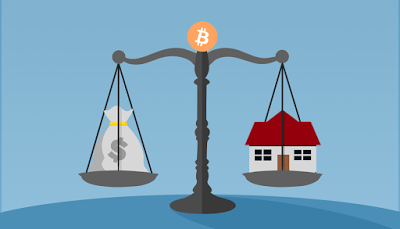
Generation X vs. Generation Y | Adopting Cryptocurrencies
Generation X and Generation Y Adoption of Cryptocurrencies: A Comparison
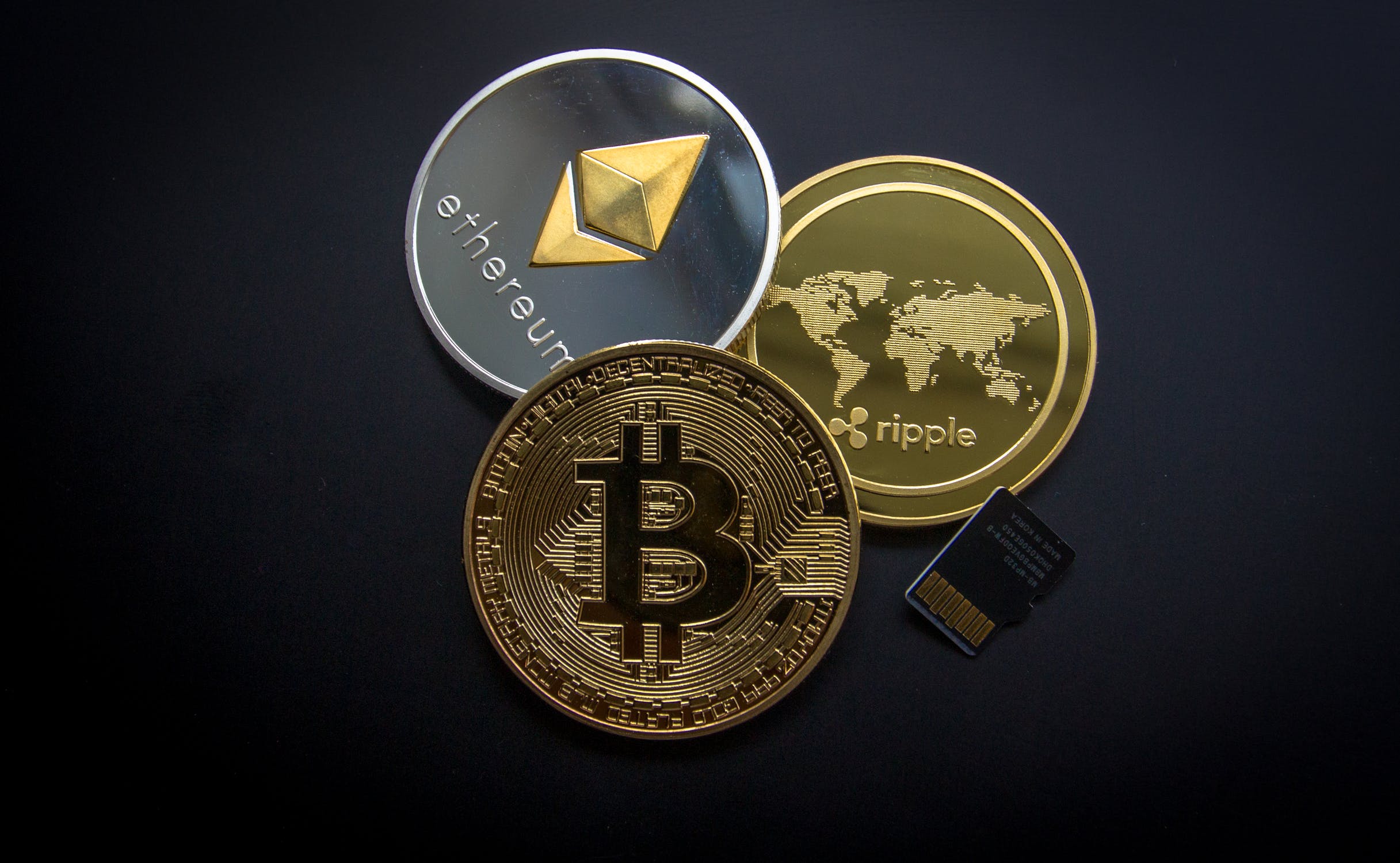
The world’s financial institutions are currently observing a vast digital ecosystem being expanded with reports for new digital currencies akin to the likes of cryptocurrencies to be launched soon. While these CBDCs (central bank digital currencies) are proclaimed not to harm or replace cash and other forms of legal tenders, we cannot help but talk about the ones instigating the change.
Cryptocurrency became popular since the launch of Bitcoin back in Jan 3rd, 2009. Ever since then, cryptocurrencies have seen a rise in popularity amongst the masses.
According to a recent study by Tech Jury, the cryptocurrency market cap has reached $265.545 billion as of May 2020. By 2023, the global blockchain market is expected to reach $23.3 billion. Furthermore, Bitcoin alone accounts for $6 billion of daily online transactions.
Moreover, cryptocurrency users have exceeded 40 million globally. In light, of this information, let’s take a quick look at how Millennials compare to Generation X when it comes to adopting cryptocurrencies.
Generation X
Generation X is widely regarded as the generation that followed Baby Boomers and preceded Millennials. Their age groups range from 40 to 55 years old as of 2020. Here is how Generation X is reacting towards cryptocurrency:
-
Investment Growth among Boomers & Gen X
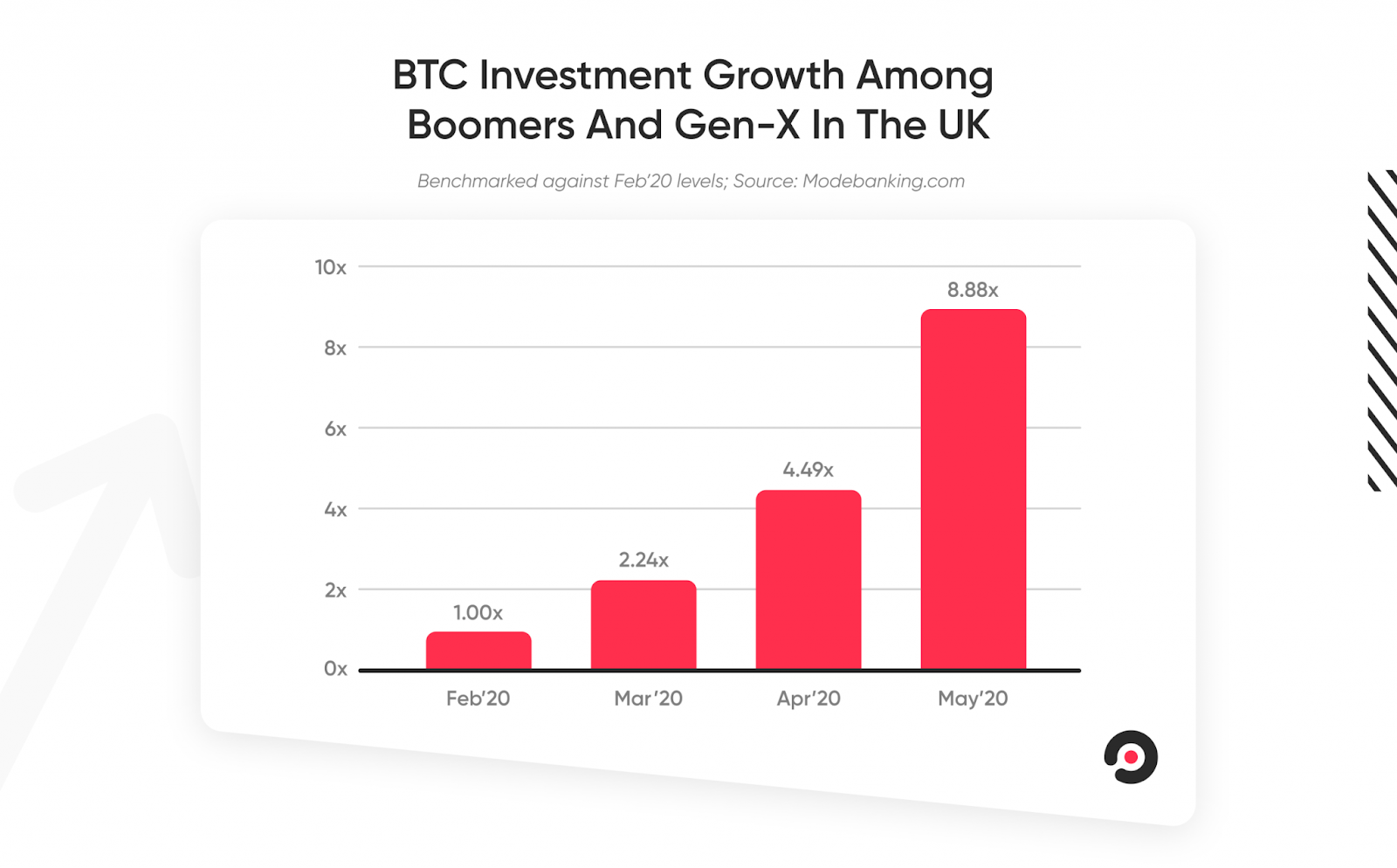
While Millennials are regarded as the prime suspects for capitalizing on the crypto market, surprisingly both Baby Boomers and Gen X are being currently observed to closely follow the trends.
Hence in recent years, many sources have cited an increase in investment of cryptocurrency as both Boomers and Generation X take charge to close the gap. In some cases, they were also found to have more than doubled their investments.
-
Month on Month Growth
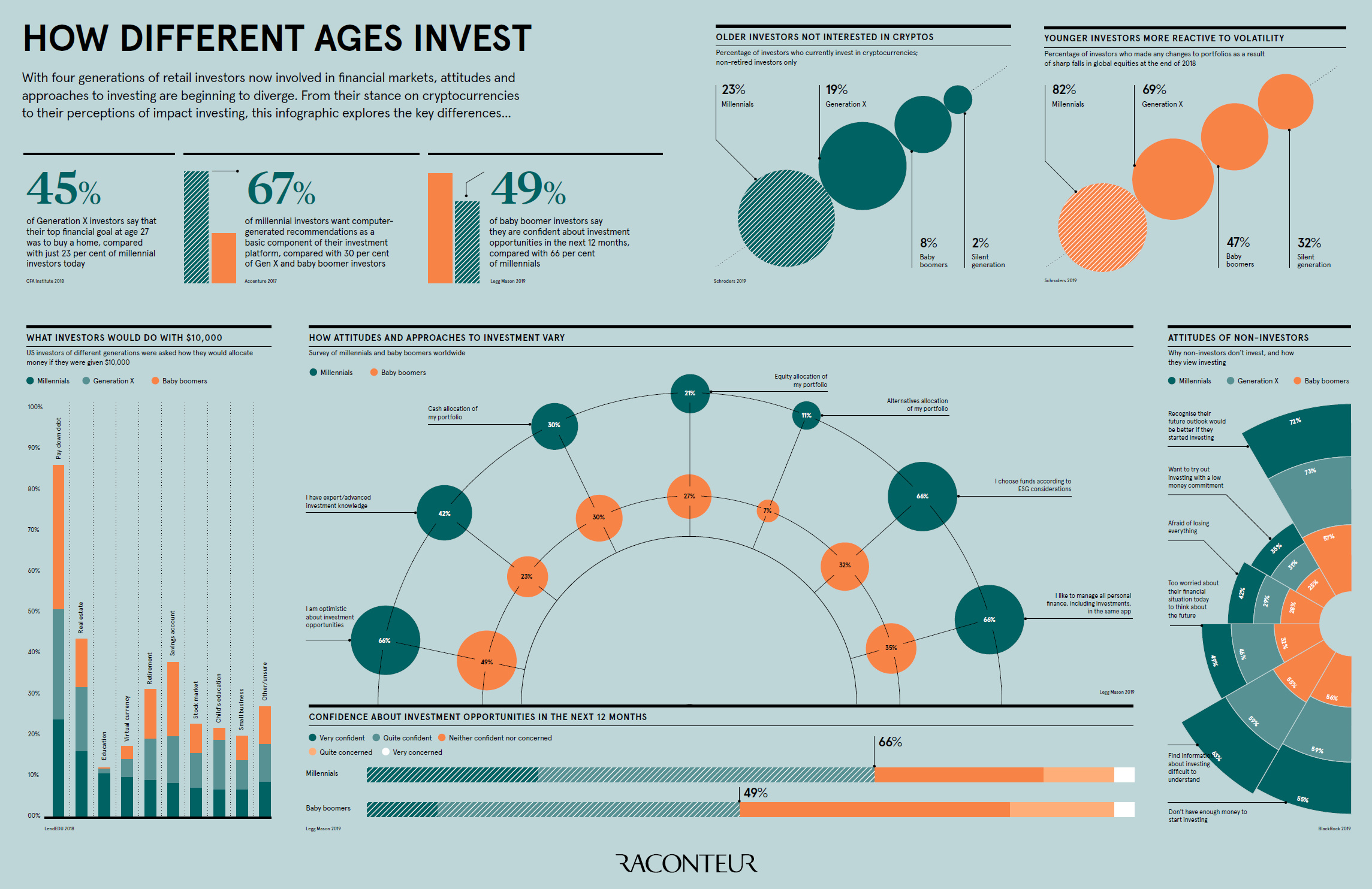
It seems like the word of mouth and awareness about cryptocurrency is spreading like wildfire as Generation X is seen to understand the value and find blockchain as a reliable security measure. Understanding the benefits of fast and instantaneous transactions, the group of disaffected people and entrepreneurs is already showing signs of crypto is affecting their thinking for the future.
Reports are coming in, showing an evident increase and Month on Month growth patterns. According to a study by Mode Banking, both Baby Boomers and Gen-X have shown a trend of increasing their investment in cryptocurrency by over 100%, especially during the COVID-19 pandemic.
-
Wealth Protection & Asset Diversification
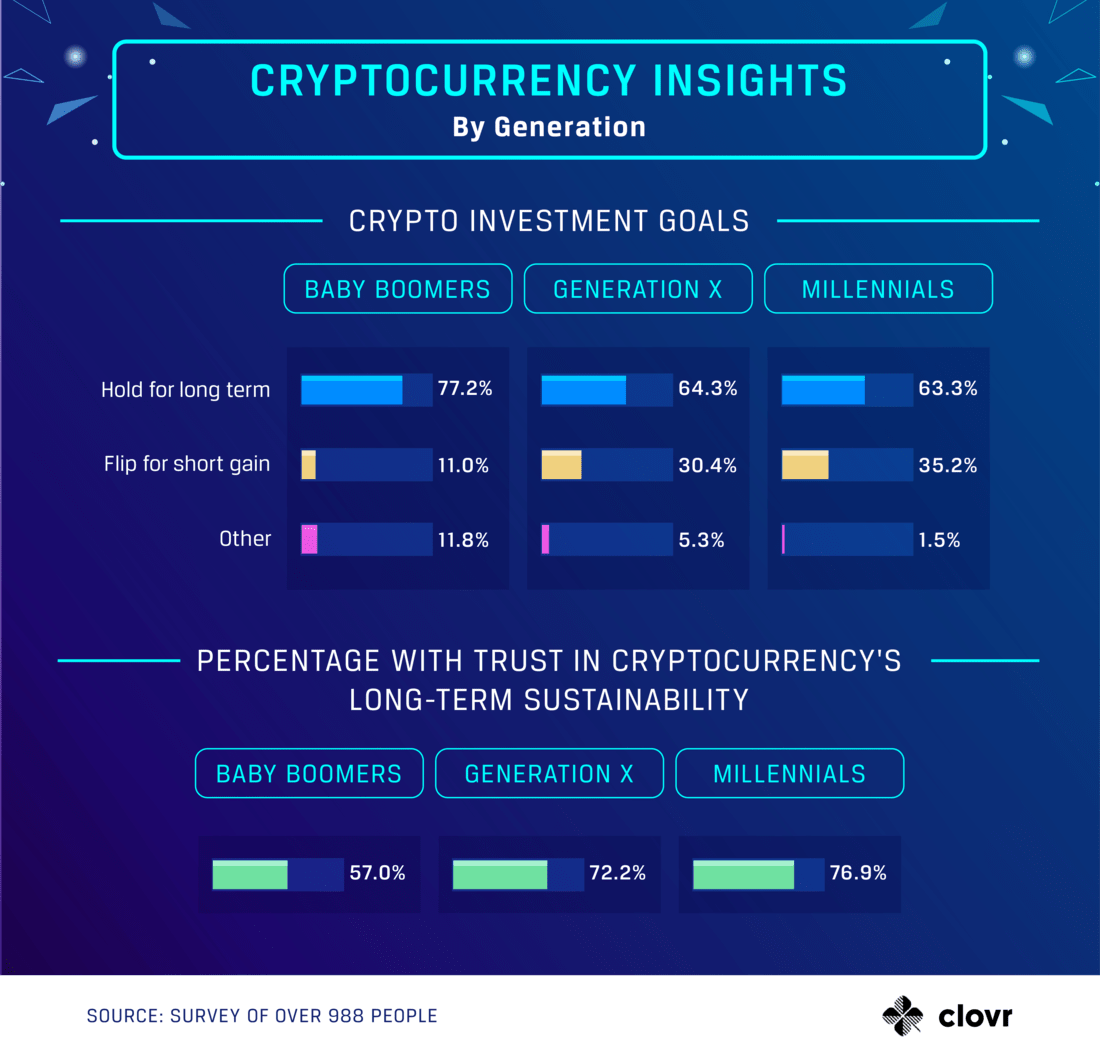
With the current economy ridiculed by the pandemic, the growing fear for wealth protection has led Baby Boomers and those belonging from Gen-X to invest in resources that can allow for asset diversification. Cryptocurrency so far has been observed as the most favorable type of investment to safeguard personal wealth.
Generation Y
Otherwise known as Millennials, Generation Y is widely regarded as the generation succeeding Gen-X and Baby Boomers. Their age groups range from 24 to 39 years of age. Often regarded as the parents of Generation Alpha (like my darling son!) they were born into a world that as quickly becoming familiarized with the internet, mobile devices, and social media.
-
Growth of Alternative Asset
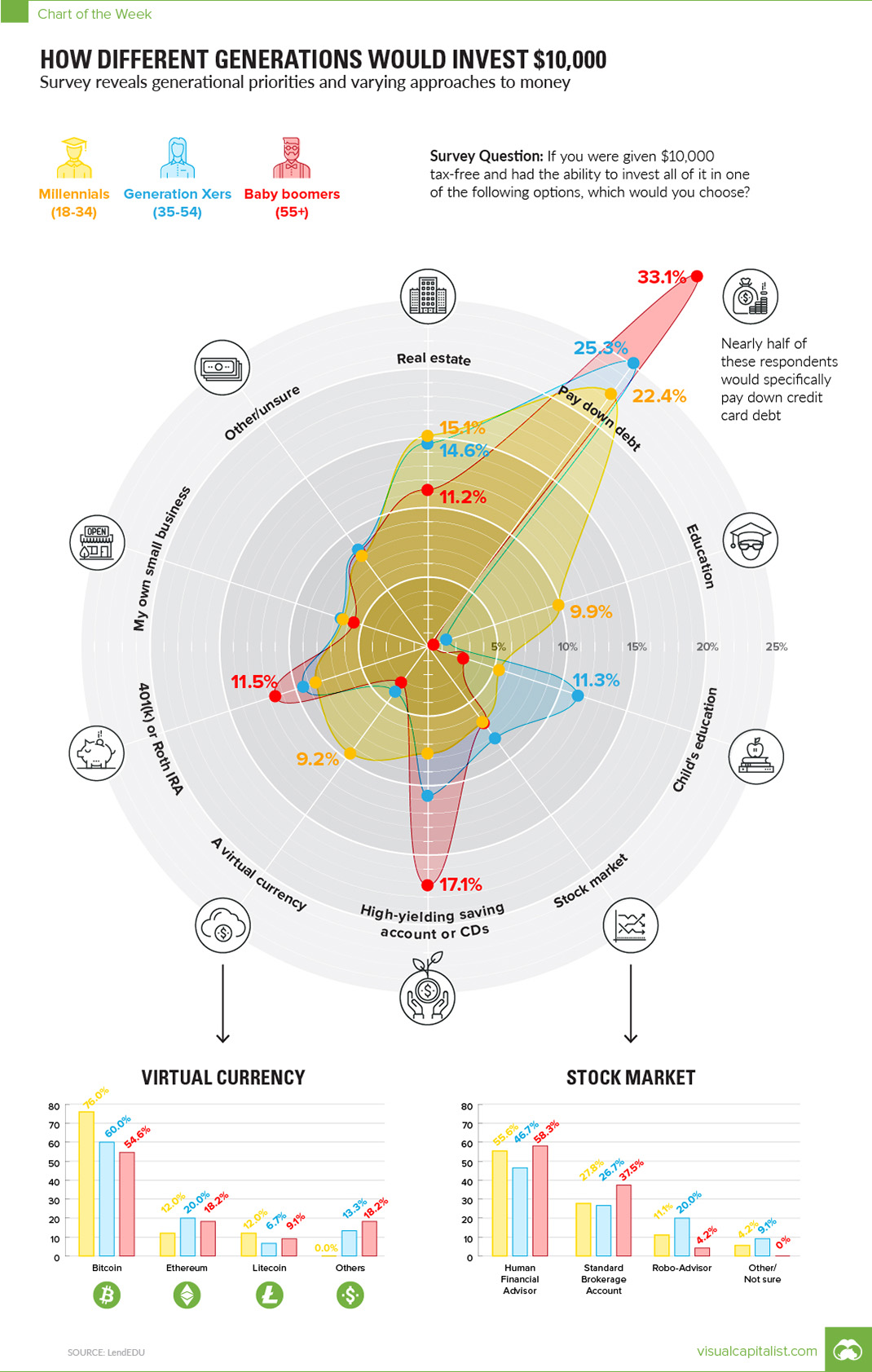
Millennials view of cryptocurrency is that of an alternative asset. Surprisingly not many of us want to invest in stocks and are more interested in assets that are backed by technologies. According to a recent study by Coin Telegraph, Millennials are three times more likely to invest in cryptocurrency as compared to Generation X. Furthermore, 9% of Millennials chose crypto as their long-term investment option.
Students applying for and seeking dissertation assistance are also looking for ways to invest alternative asset that can help secure their personal wealth for the future. It is important to note here that while both real estate and stocks are also good options for Millennials, they are currently dominated by Baby Boomers in the present times.
-
Shifting Presence for Everything Digital
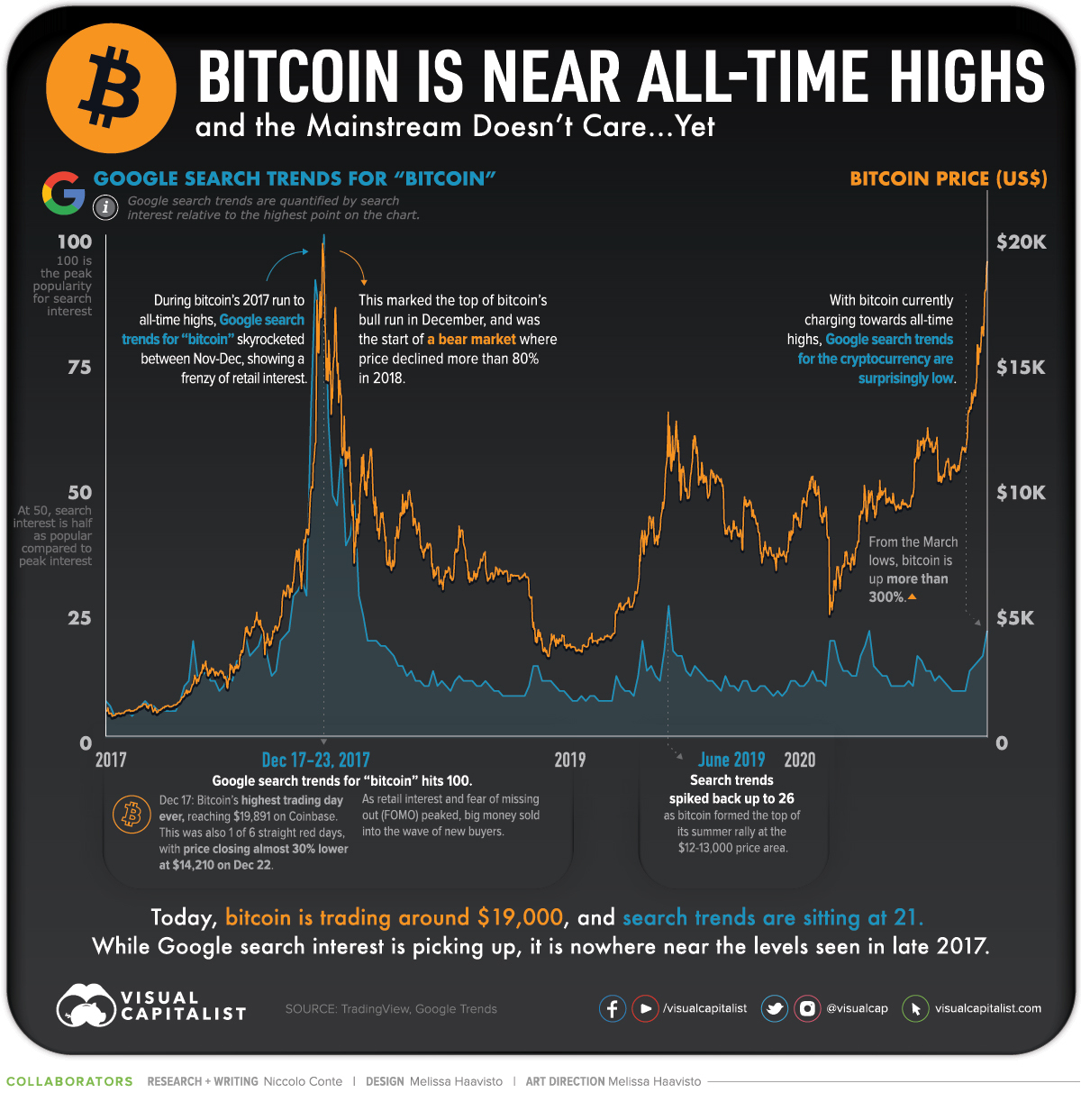
Studies from different financial institutions and digital currency markets are coming in showcasing Millennials as a driving force for the adoption of Bitcoin for years to come. Zac Prince, the CEO and founder of BlockFi, identifies a major trend for Millennials where they seek everything digital.
Furthermore, with Bitcoin reaching its all-time high and pushing over $23,000 per coin as of Dec 17, 2020, who can blame Millennials for making the right choice so far!
-
Wealth Transfer to the Young
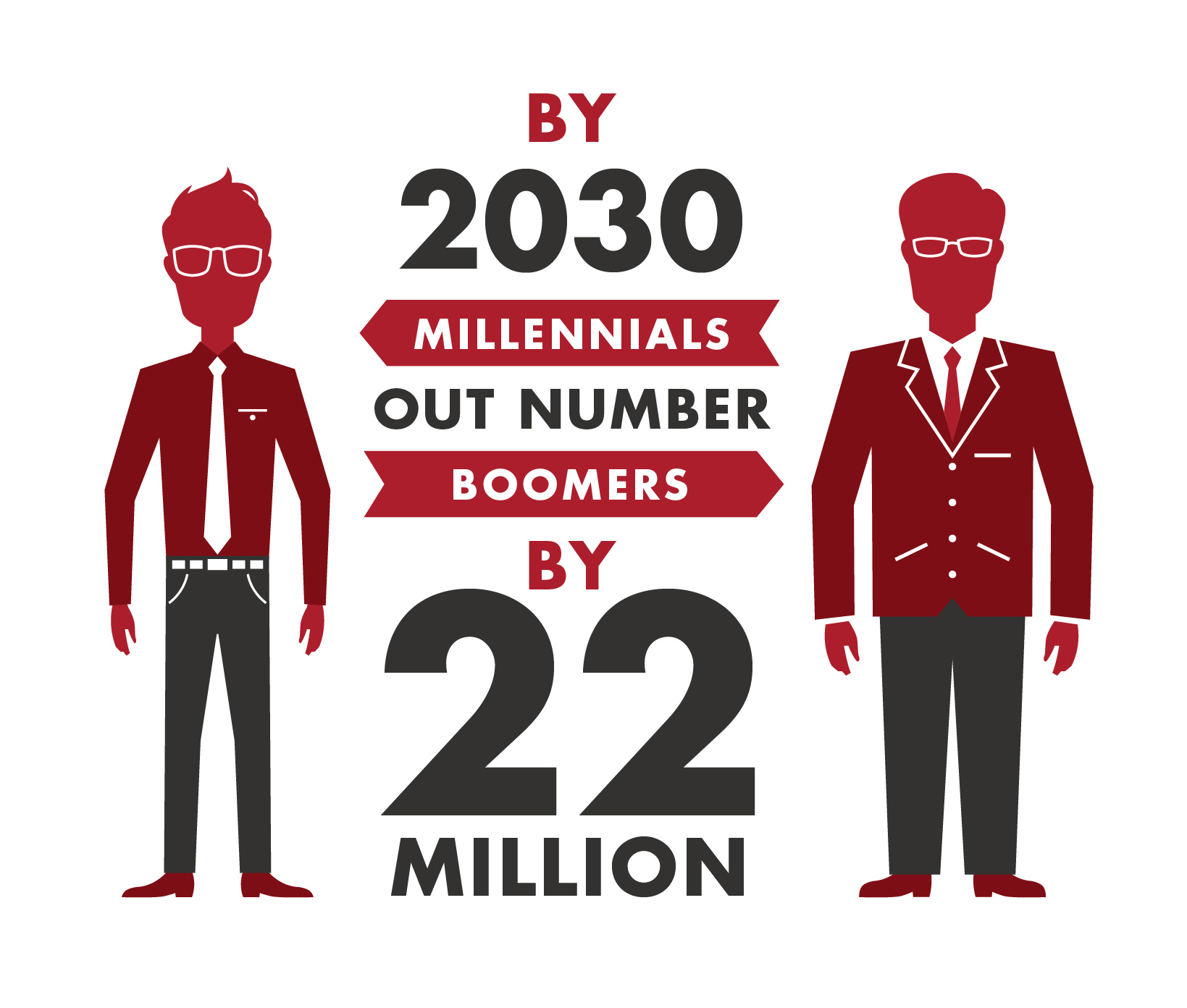
There is a Japanese idiom that states the next generation as the actual king of the world. Come to think of it this world will always belong to the next generation that is how our life expectancy is all about. We may get to live 100 years, but eventually, the circle of life catches up to us. As we depart, the new generation takes to the throne.
For countless eras, this is how wealth has been passed down from old to the young. Currently, Millennials are in the process to take control and eventually move Boomers out to take their seat on the ruling chair. This transfer of power and wealth on a massive scale will indefinitely cause investment in cryptocurrency to rise by a tremendous rate.
Conclusion
Cryptocurrency is on the rise with Bitcoin riding the tidal wave in recent times. Not only digital assets and crypto are skyrocketing, but even the BIS (Bank of International Settlements) is also considering launching digital currencies with the help of IMF and 60 central bank members.
Someone really has to be blind enough to not see how things are rapidly changing and converging towards digital resilience. So far Millennials and Gen-X have shown their growing interest in adopting cryptocurrencies with Boomers lagging behind to catch up on the trend.
Author Bio
 Samantha Kaylee currently works as an Assistant Editor at Crowd Writer. This is where higher education students can acquire literature review writing service UK from professionals specializing in their field of study. During her free time, she likes to catch up on all the latest tech developments happening across the globe.
Open your free digital wallet here to store your cryptocurrencies in a safe place.
Ten Years Of The World With Bitcoin Living in a crazy-crazy crypto world.
Bitcoin rose from unknown to mainstream recognition largely thanks the incredulous surge in value it saw in 2017. But then the price went down, sparking yet another heated discussion about the volatile unpredictability of the bitcoin.
Nowadays, discussions are all at their all time hype, but worth just as long as the participants know what they are talking about; and the audience has at least some grasp of the matter. But it rarely happens, as the vast majority of experts are as clueless about the intricacies of the crypto markets as is the general audience.
The infographic below, provided by our friends at BitcoinPlay, will not make us all marketing gurus but will give you a much better understanding about the driving forces behind the world’s first cryptocurrency, how it came to be, who embraced it first and how countries are handling it.
Here’s a selection of our favourite ones:
- On May 22 2010 two Pizzas cost 10k bitcoins.
- In 2013 FBI made $48 million by selling on auction one seized 144,000 Bitcoins.
- 100$ invested in July 2010 is now 18.8 million.
- Since april 2017 Bitcoin is legal payment method in Japan.
- Blockchain ledger technology when used by top10 investment bank could save $8-$12 billions.
- Chinese Mining Pool control approximately 81% of the Bitcoin network’s collective hashrate.
- Overstock, Dell, Expedia, Dish and Microsoft accept Bitcoin payments.
- University of Nicosia, Cyprus was the first University to accept tuition to be paid in Bitcoin.
- Bitcoin is vat free in Switzerland.


Open your free digital wallet here to store your cryptocurrencies in a safe place.

Bitcoin all time high: Read here the possible reasons
Today, on June 6th, a new Bitcoin all time high has been hit.
According to CoinMarketcap, in fact, the bitcoin price reached a value of $2,911.86, surpassing the previous bitcoin all time high of $2,791.69 set less than a month ago on May 25th.
Bitcoin began June with a price of about $2,500, trading at $2,300 on June 1st.
What are the reasons for this new bitcoin all time high?
As always in these events, many are the possible causes for this recent growth in the bitcoin price.
Here a quick report on what is happening in the bitcoin industry during these days.
Click on the link below to read more about that specific topic.
- Bitcoin regulation in Japan that lead more merchants to accept the digital currency;
- Uncertain administration by Donald Trump. A dubious politic always lead investors to take their money in a “Safe Heaven”;
- Growing demand in Asia;
- ICOs used as a faster way to raise funds
Do you think there are more reasons for this bitcoin all time high?
Comment the news with us!
Open your free digital wallet here to store your cryptocurrencies in a safe place.